
Listening for Impact: AMPATH’s Qualitative Research Core Enhances Results
Every data point has a story behind it. A woman who chooses home birth or a patient who stops taking medication makes those decisions shaped by beliefs, values and circumstances that numbers alone can’t capture.
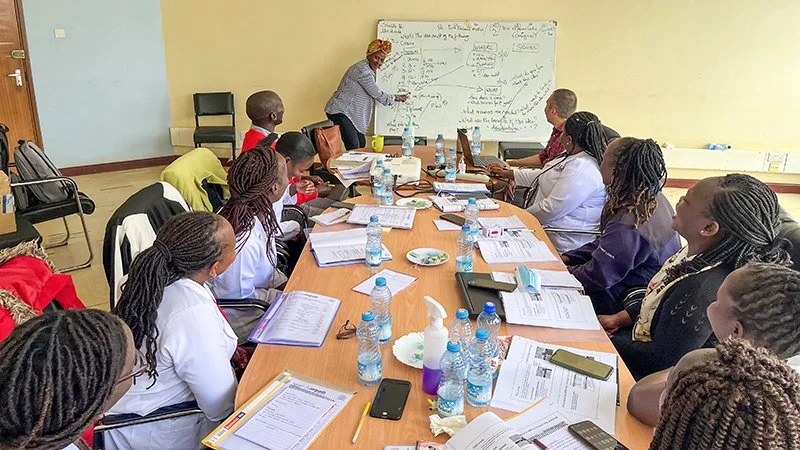
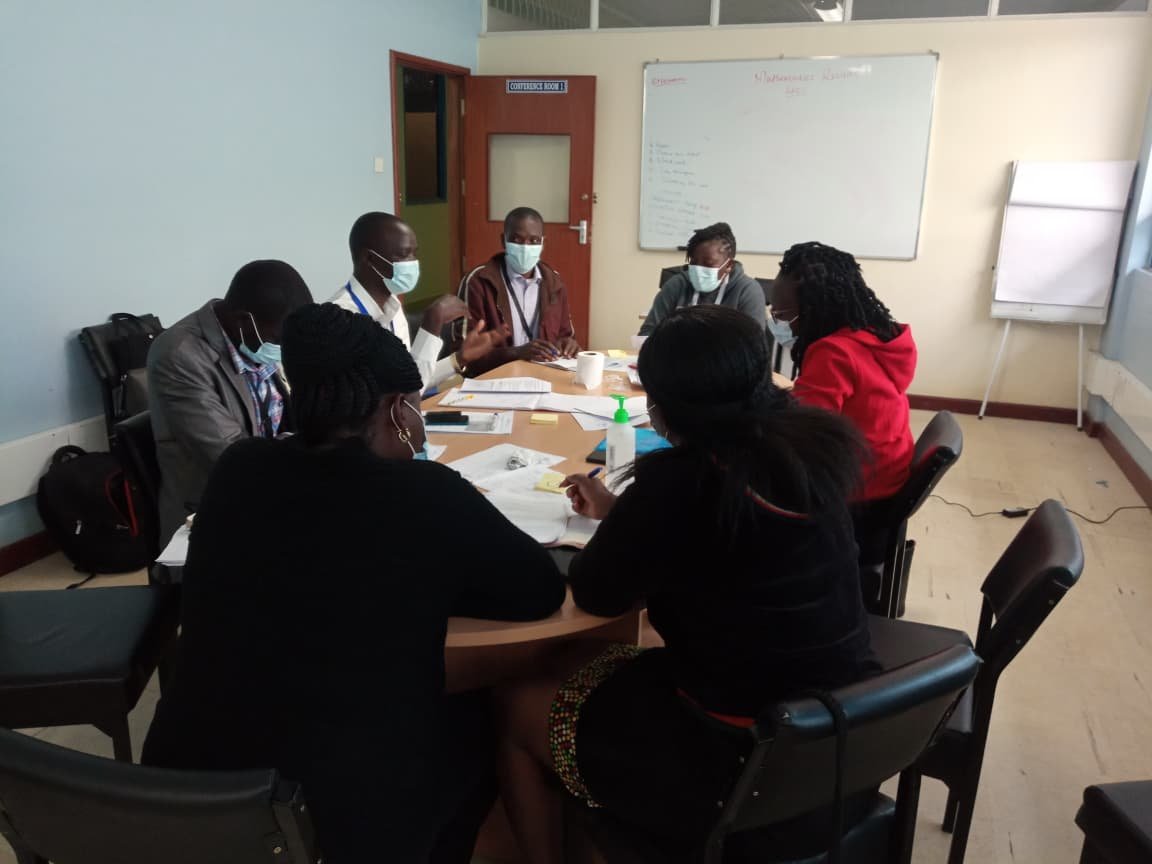
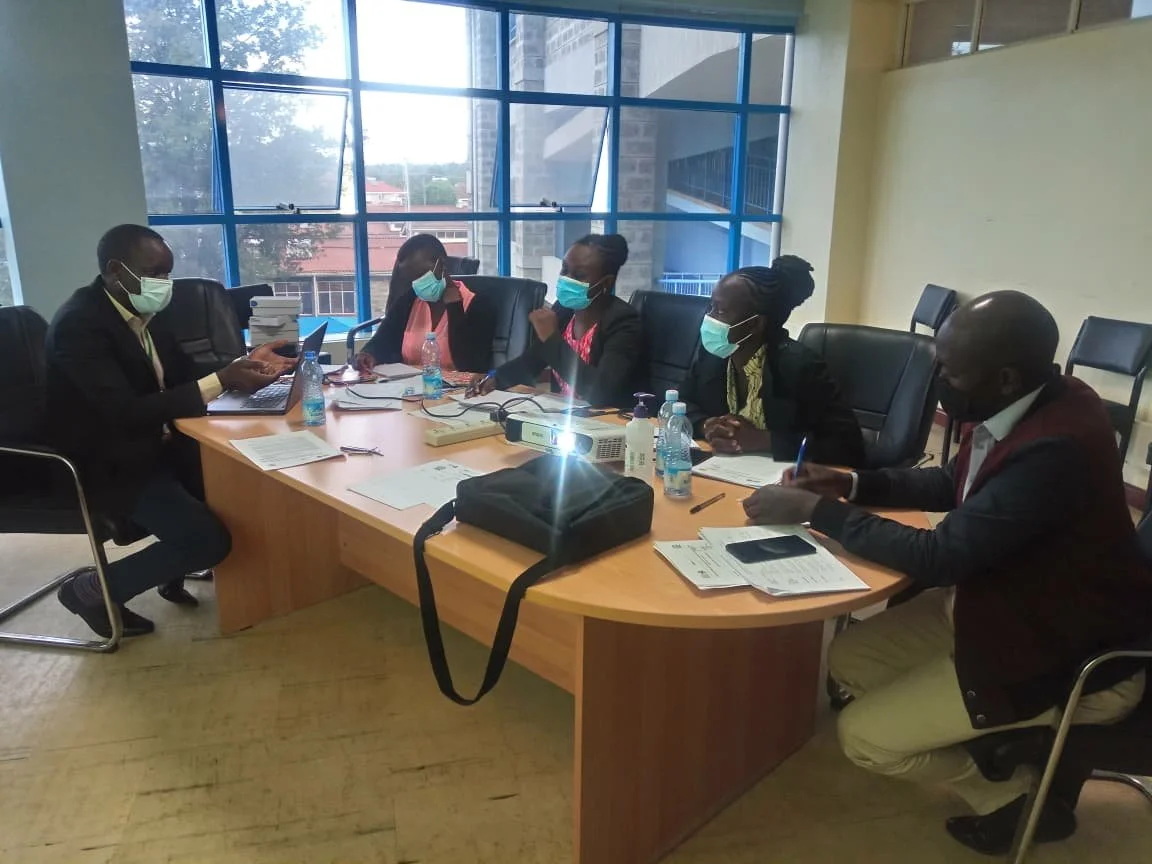
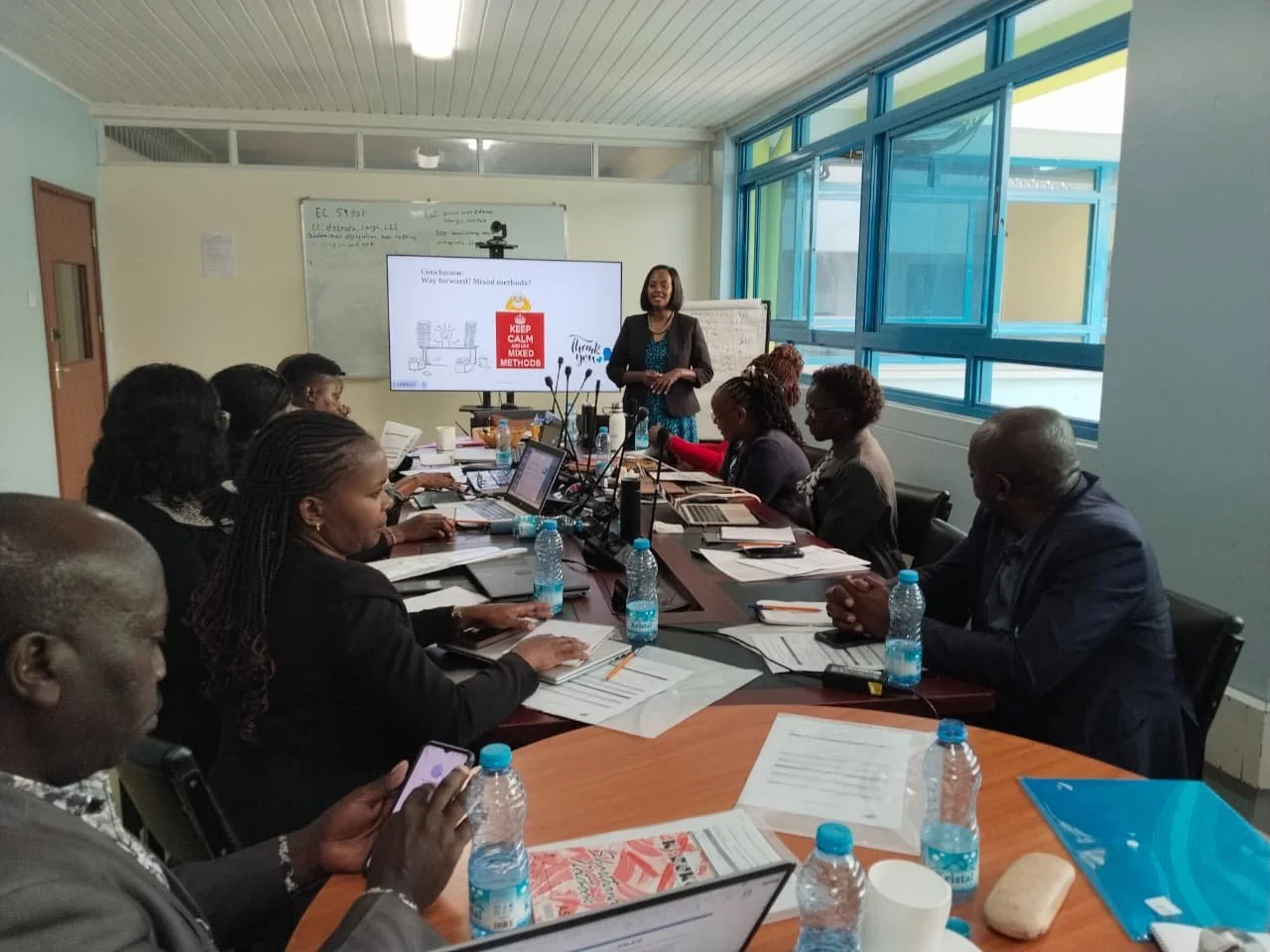
A research team on a study for differentiated services for pregnant and postpartum women discusses the human-centered aspects of their research.
That’s where the AMPATH Qualitative Research Core (AQRC) comes in. Led by Professor Violet Naanyu, the AQRC helps researchers uncover the human stories that explain the statistics. They provide a deeper understanding of research questions which ultimately translates to better healthcare and patient behaviour.
“Qualitative research fills the gaps that numbers leave behind,” Professor Naanyu explains. “It helps us see people, not just patterns.”
“Numbers tell us what is happening,” she says, “but stories tell us why it’s happening and how people experience it.”
Housed within Moi University College of Health Sciences and the Moi Teaching and Referral Hospital (MTRH) in Eldoret, the AQRC was established to help AMPATH investigators “carry out qualitative research fast and with quality.” Since formally beginning operations in 2022, it has guided more than 70 researchers in study design, data collection, transcription, coding and thematic analysis.
Filling the Gaps Behind the Numbers
Quantitative research provides measurable data, but often, the “why” behind the data remains hidden.
“Every time a national survey shows, for example, that home deliveries persist despite available maternity facilities qualitative research steps in to ask: Why do women still choose home births? What beliefs or barriers shape that decision?” explains Professor Naanyu.
Through open-ended interviews, group discussions and observation, qualitative research captures lived experiences and the meanings people attach to them. It explores the social and cultural forces that drive decisions which provides critical context for designing effective health interventions.
Mixed-methods research that combines qualitative and quantitative research “brings the best of both worlds by combining statistical evidence with the depth of human insight,” added Professor Naanyu.
A Hub for Quality and Capacity
Operating as a non-profit cost-recovery center, AQRC offers its services at accessible rates. The model ensures sustainability while keeping costs low for research teams. Services include equipment rental (audio recorders and NVivo software support), training, translation and data analysis.
Its team of prequalified transcribers, translators and field researchers is conversant in English, Swahili and multiple languages spoken in Kenya, enabling culturally sensitive and accurate data capture. “AQRC’s strength lies in its people,” says Professor Naanyu. “They understand local communities and health systems. That’s what makes our data rich and our analysis meaningful.”
The AQRC runs primarily as a virtual office, coordinated by Professor Naanyu with support from Eunice (Gift) Walumbe at the AMPATH Research Program Office. To ensure stability, the team has revamped and applied a model inspired by the Consortium for Advanced Research Training in Africa (CARTA), cultivating a network of trained local suppliers from Moi University or MTRH who provide qualitative services across projects.
Dr. Everlyne Kisembe is a senior lecturer at the School of Arts and Social Sciences at Moi University and an active supplier to the AQRC which complements and enhances the existing AMPATH research infrastructure by providing fast and high-quality qualitative services. “Qualitative research provides depth and details that are contextually relevant to research questions,” she said. “If your goal is to explain ‘how and why’ then your research will benefit from working with the AQRC.”
Real-World Impact
The AQRC’s portfolio already spans diverse health topics across western Kenya.
One example is the Needs Assessment and Case Study for Research Translation in AMPATH, which drew on 57 sessions of in-depth interviews, transcription and coding to inform how research findings are turned into practice.
Another study, Integration Throughout Western Kenya to Enhance Patient-Centered Primary Care, relied on AQRC for protocol refinement and data analysis.
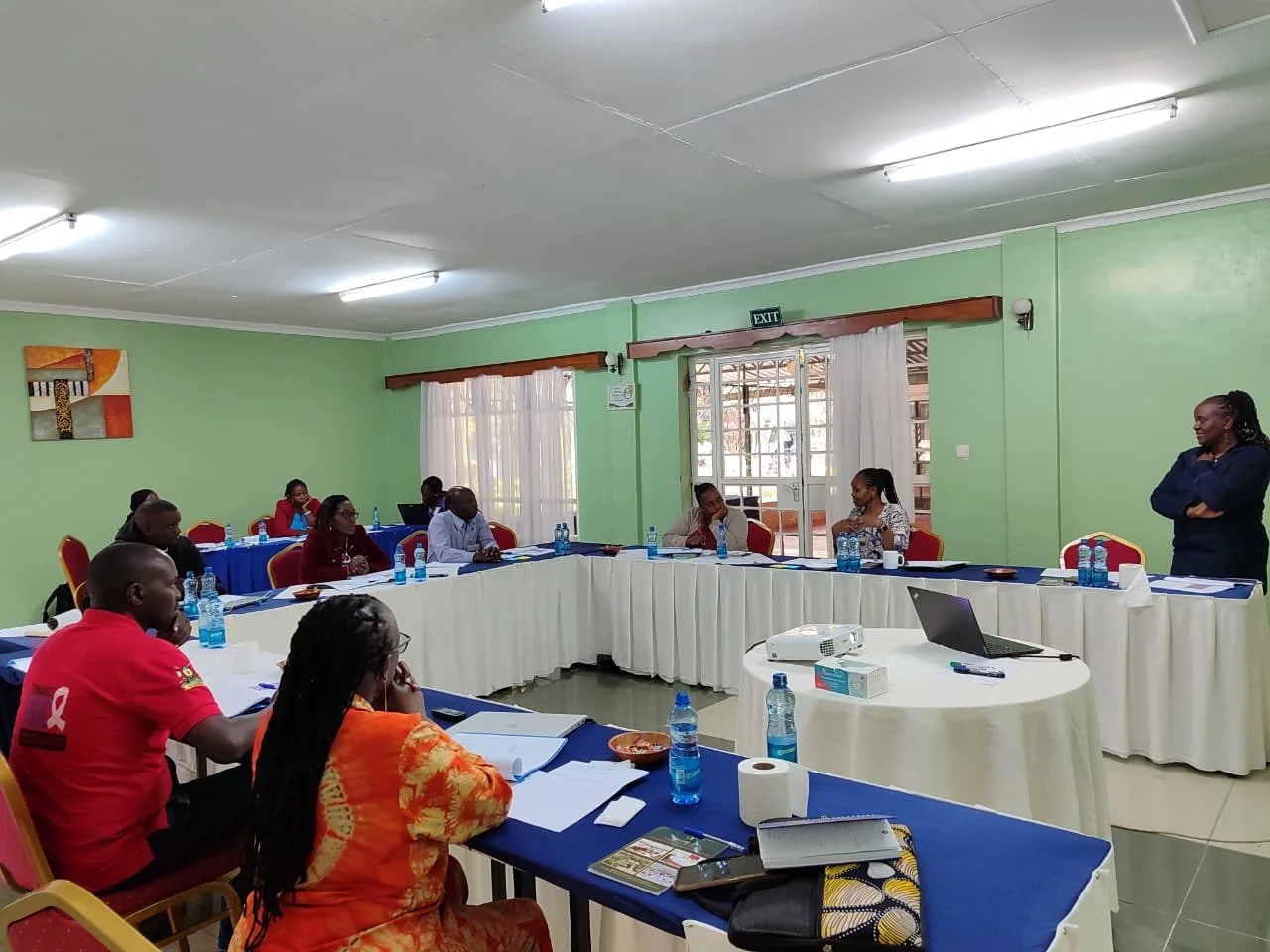
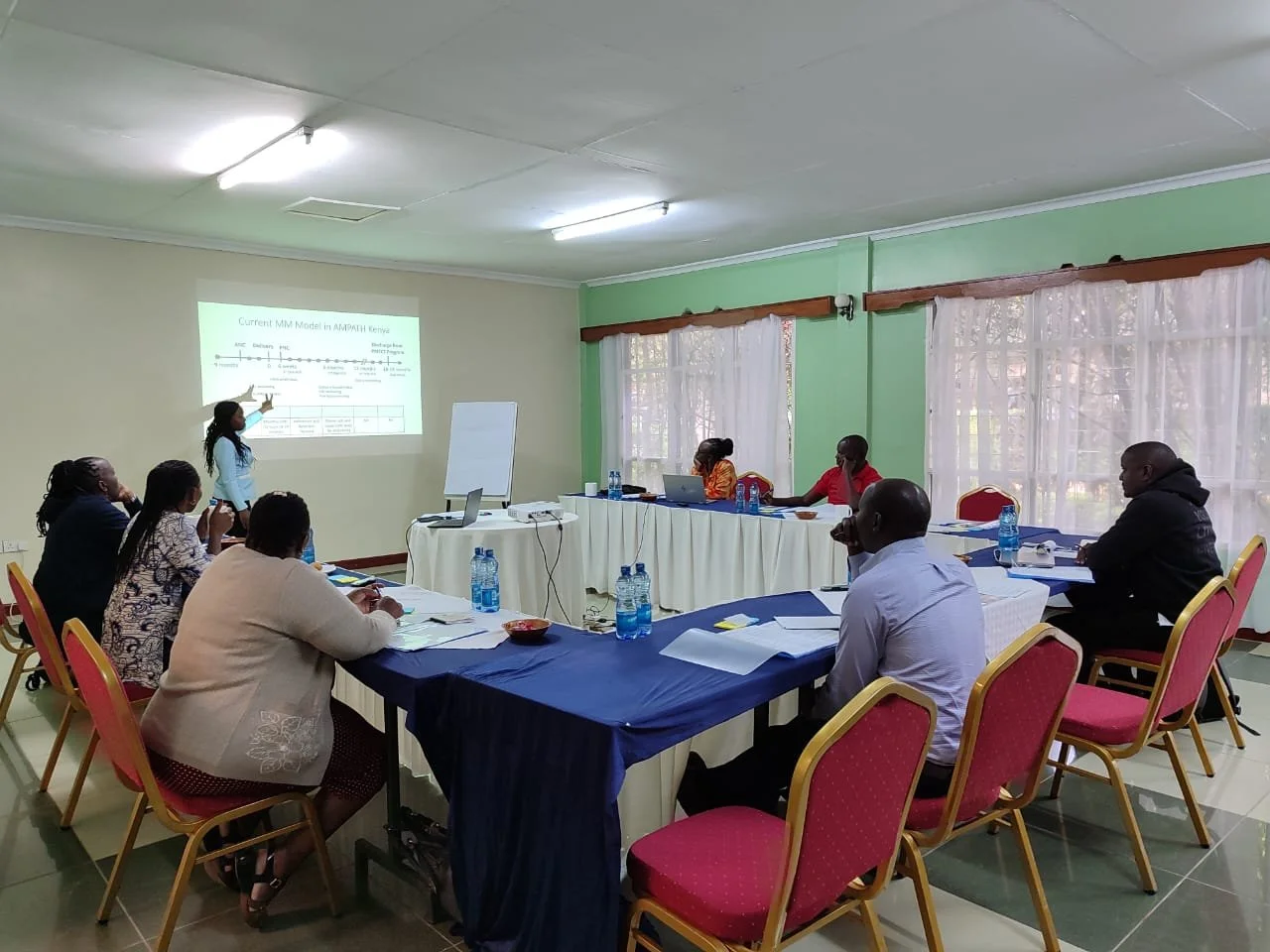
The research team from the Mentor Mother Services Study learn about qualitative research techniques in 2023.
More recently, the AQRC supported mixed-methods projects exploring post-stroke dysphagia screening and access to epilepsy care. They offered crucial insights into how health systems can adapt to patients’ real-world contexts.
Each collaboration not only advances science but also strengthens AMPATH’s capacity to deliver compassionate, evidence-based care.
Growing Toward Sustainability
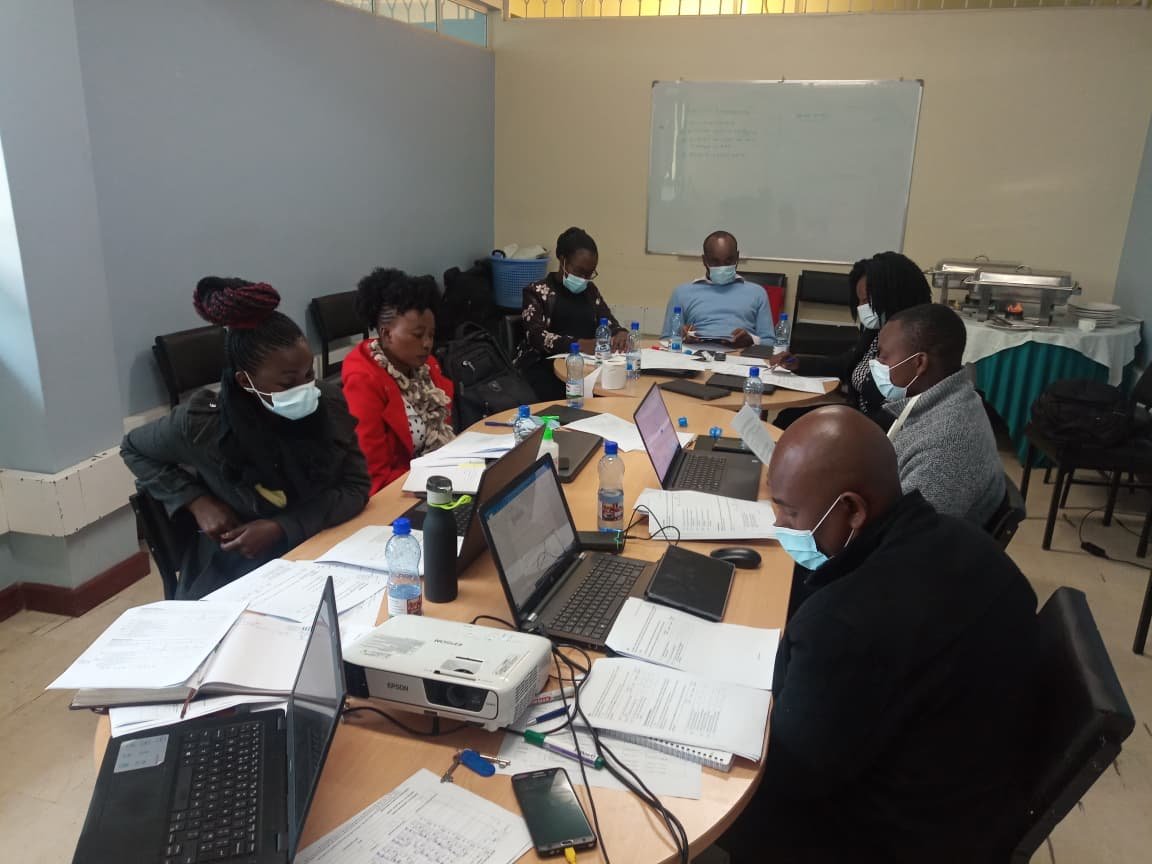
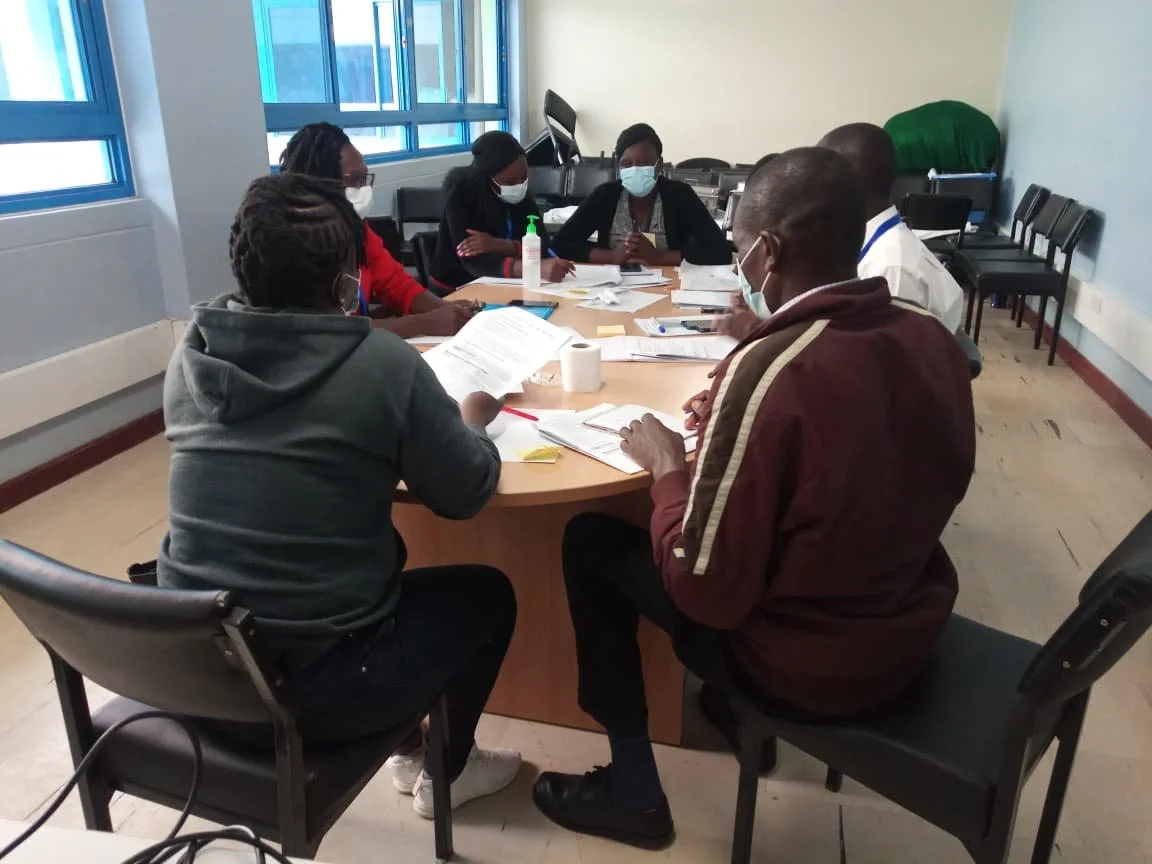
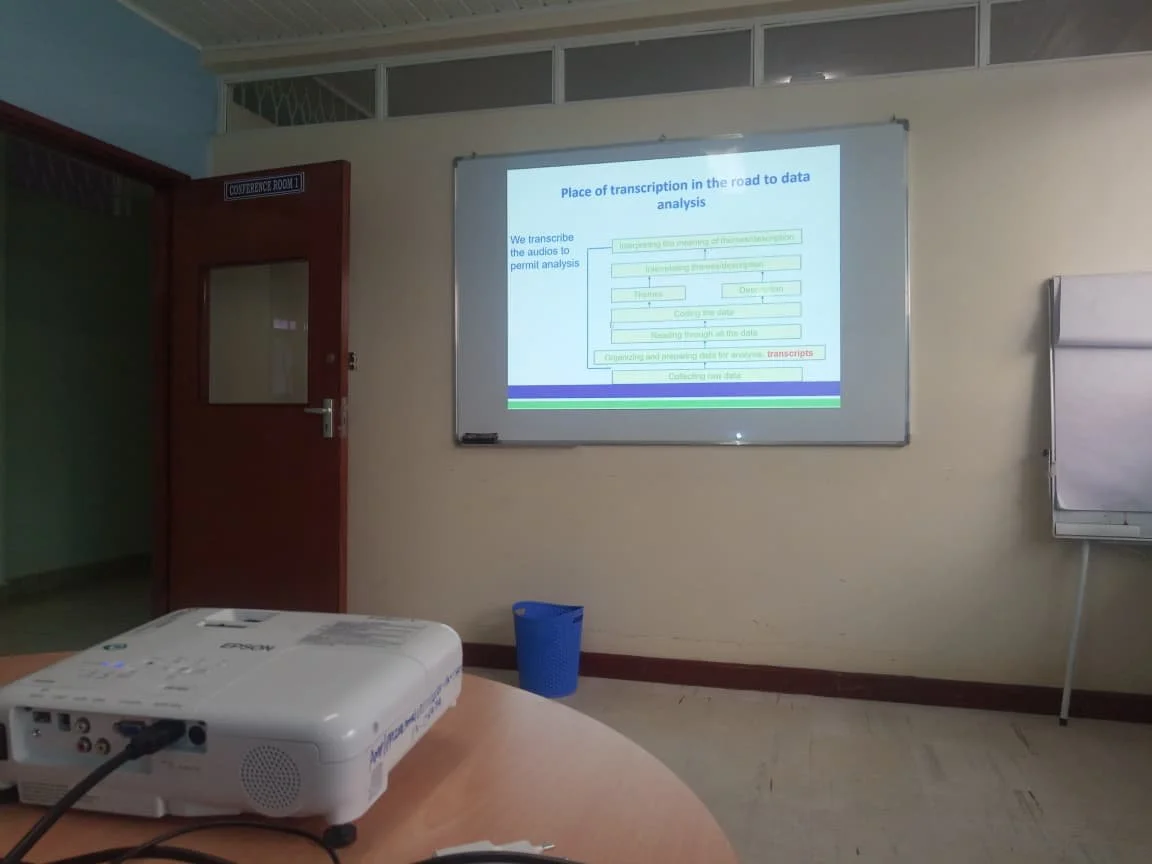
Training is a cornerstone of AQRC’s mission. The team regularly runs 3 to 5-day workshops covering everything from the basics of qualitative inquiry to responsible conduct of research, proposal writing and human-centered design. “These sessions not only build skills,” Professor Naanyu notes, “they build confidence. Staff learn how to listen deeply, analyze critically and communicate findings ethically.”
Current efforts focus on expanding AQRC into a dedicated qualitative research space within the Moi University MTRH campus, where staff can train, collaborate and innovate together. “The dream,” Naanyu says, “is to make AQRC the regional home for behavioral and social science research.”
A Call for Partnership
To realize that dream, AQRC continues to seek modest but vital resources: laptops, projectors, recording devices, a video-conferencing setup, and simple training materials like flip-chart stands and whiteboards. “These may sound small,” Professor Naanyu smiles, “but each one helps us listen better. Every interview, every focus group, every transcription brings us closer to understanding the people we serve.”
For researchers, AQRC offers expert partnership and mentorship. “At the heart of qualitative research is listening. And when we listen, really listen, we discover what data alone can never tell us.”


Contact:
Violet Naanyu, PhD | Lead, AMPATH Qualitative Research Core
📧 vnaanyu@ampath.co.ke 📞 +254 710 952 029
📍 Chandaria Centre (Room 225), MTRH, Eldoret