
AMPATH Oncology Summit Sets Shared Priorities for Cancer Care in Western Kenya
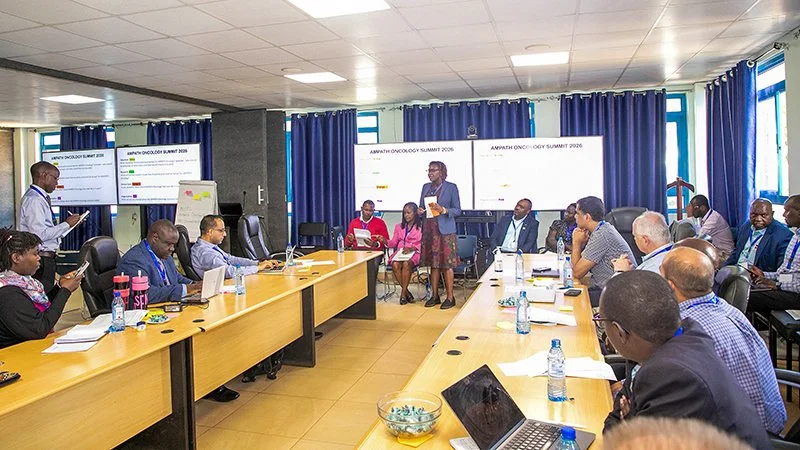
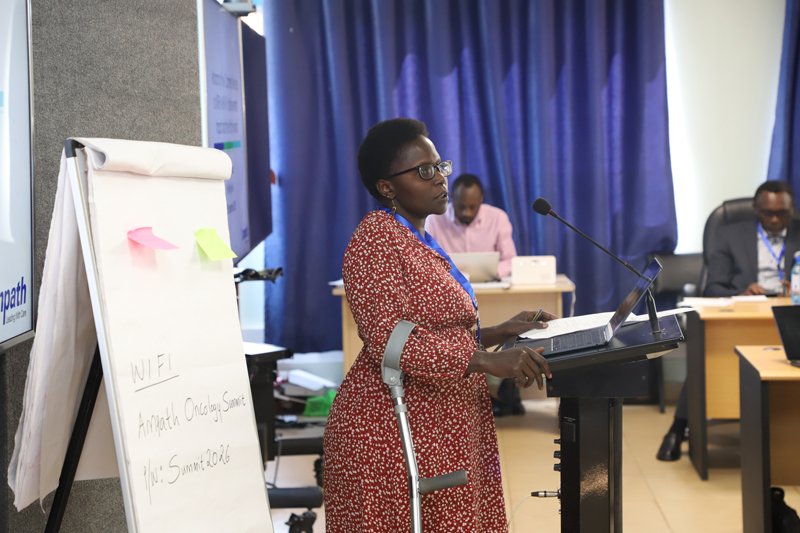
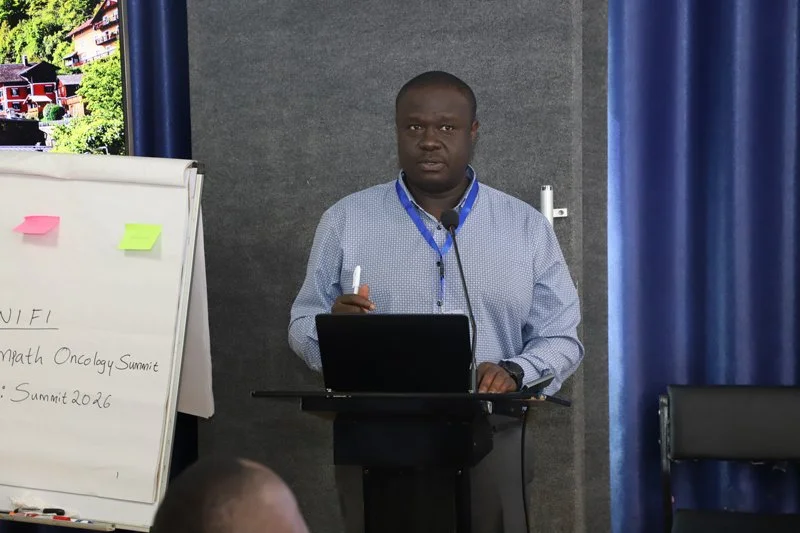
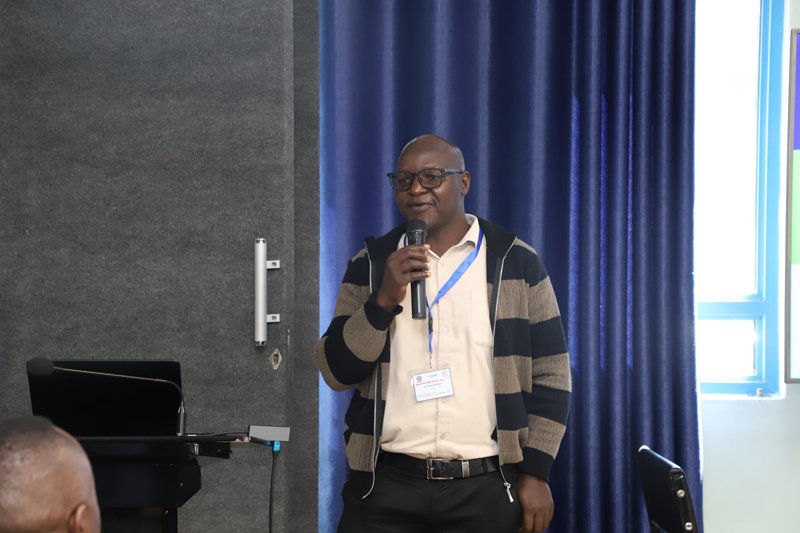
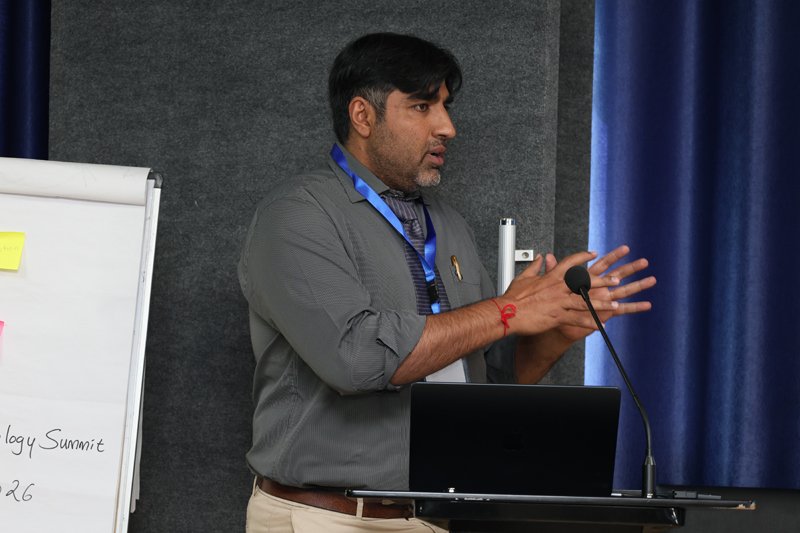
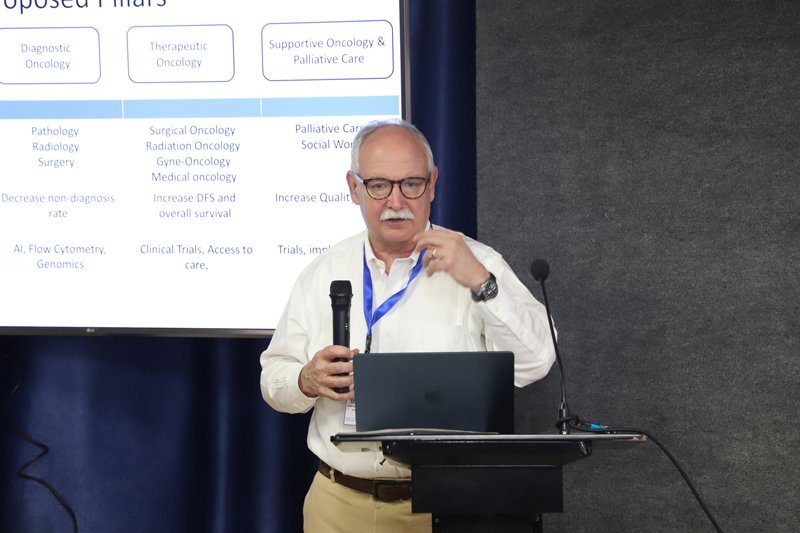
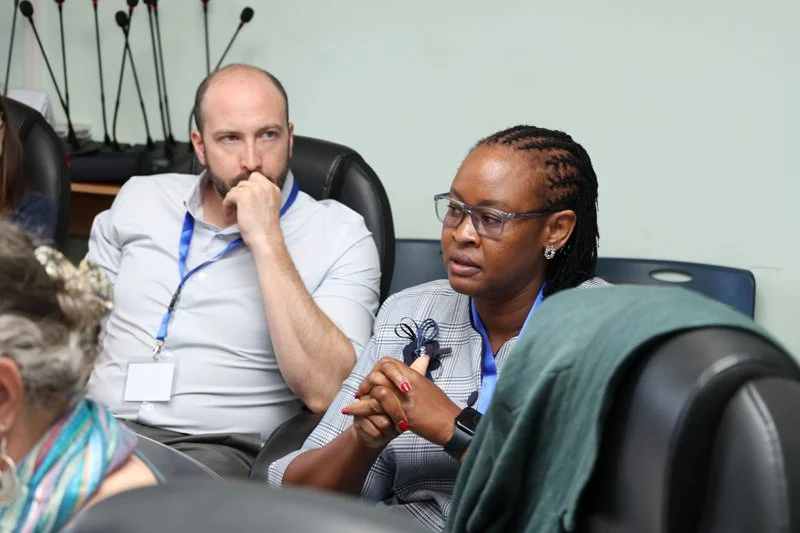
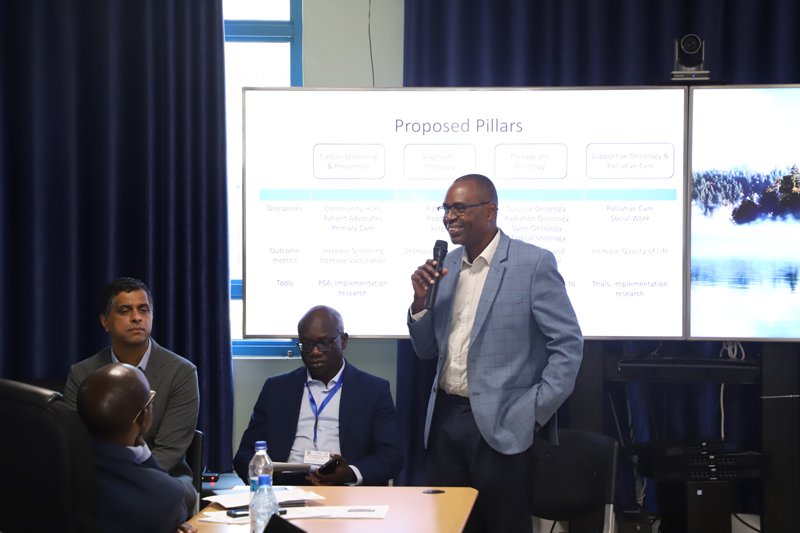
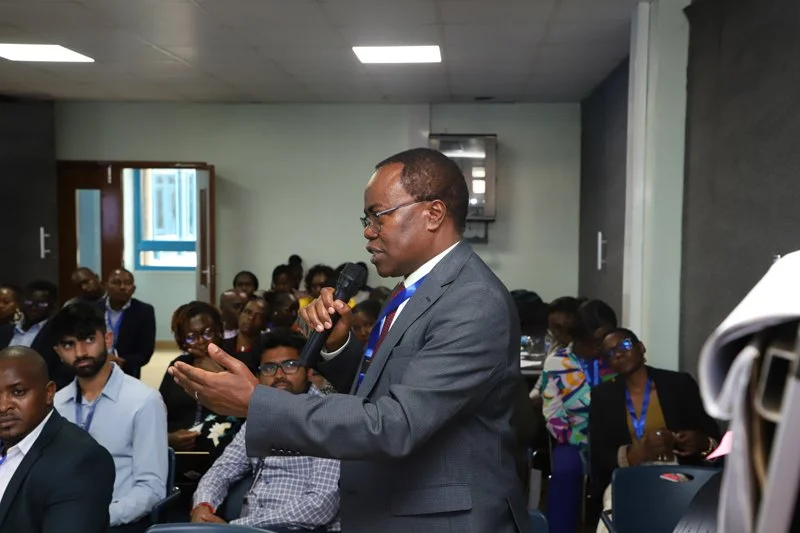
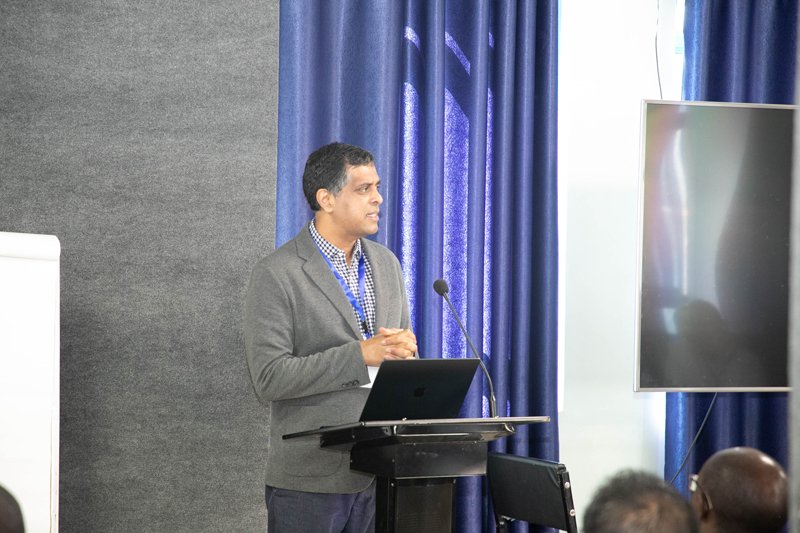
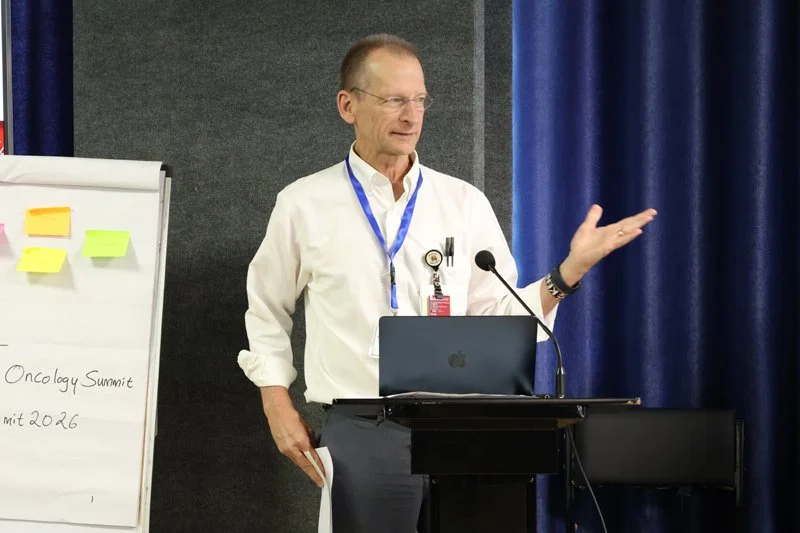
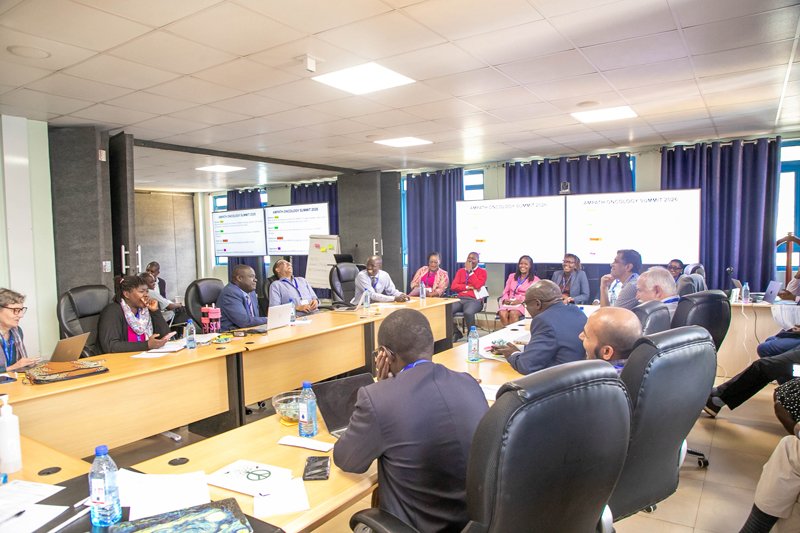
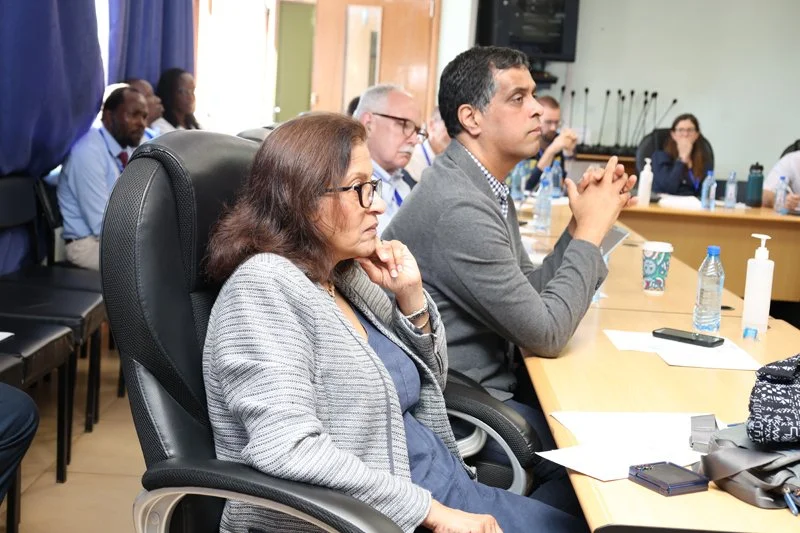
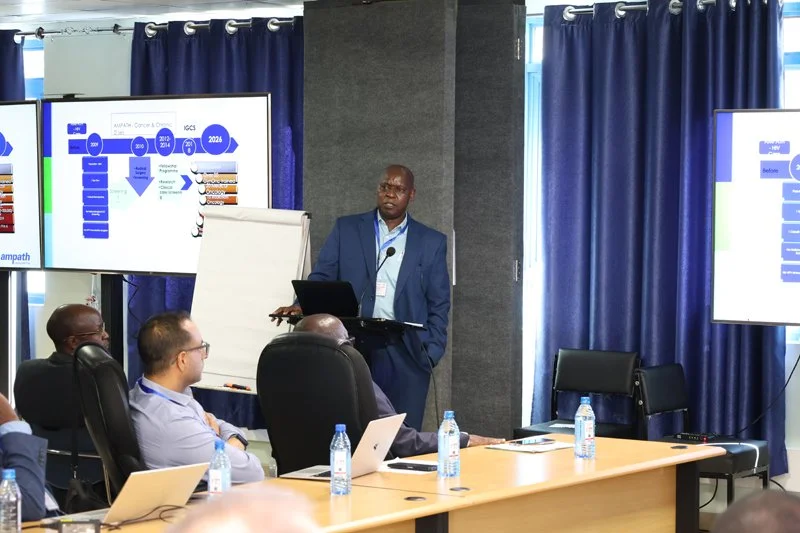
AMPATH oncology leaders gather for the oncology summit in Eldoret.
Just over a decade ago, cancer care at Moi Teaching and Referral Hospital (MTRH) looked very different. Patients received chemotherapy under a tent behind the AMPATH Centre because there was no designated space for cancer treatment. Diagnostic services were limited, treatment options were few, and the oncology service was supported by only a handful of health care workers, seeing about 150 patients a year.
Today, with the support of AMPATH partners, the MTRH Chandaria Cancer and Chronic Diseases Centre is a busy hub of cancer care, seeing hundreds of patients each day and offering an expanding range of specialized services, including breast and gynecologic oncology, pediatric oncology, lymphoma and multiple myeloma, lung cancer, surgical oncology, radiotherapy, radiology, pathology, palliative medicine and laboratory services.
The transformation has been about more than buildings and equipment. It has been about developing the knowledge, skills, systems and partnerships needed to provide increasingly complex cancer care.
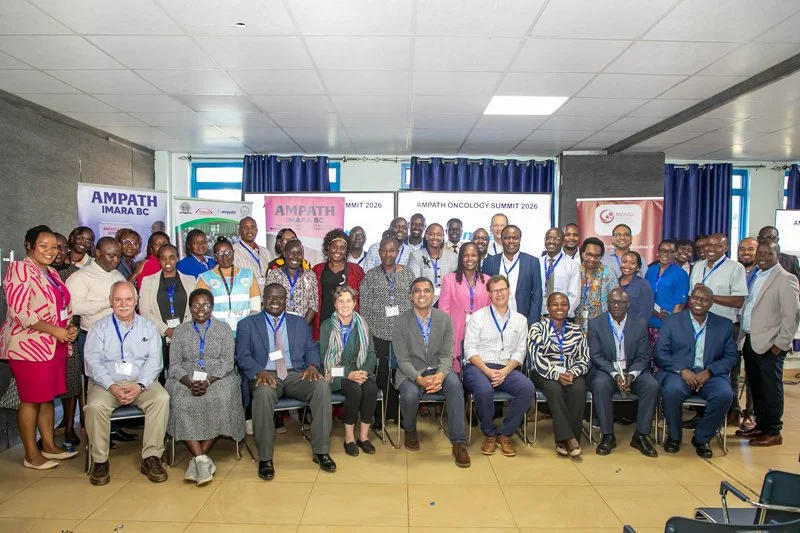
Last month, doctors from MTRH, faculty from Moi University and Indiana University, researchers and health leaders came together for the two-day AMPATH Oncology Summit in Eldoret to reflect on that journey and consider what the next phase of cancer care should look like.
Reflecting on the early years of cancer care at MTRH and how far the programme has come, Dr. Jesse Opakas, Director of the Hemato-Oncology Directorate at MTRH, said, “In 2005, the treatment options were very limited and pathology capacity was constrained. Even the few times patients presented with early disease, there were no reliable treatment options, and all that we could offer was palliative care.”
Limited knowledge about cancer also shaped the experience of patients and families. Some patients were misdiagnosed, while others, unable to find the answers and care they needed, turned to traditional healers.
“Training has helped to demystify what cancer was and change the mysteries surrounding the disease. The education we have built through the (AMPATH) partnership is an achievement, and we should expect better outcomes,” the Professor Robert Tenge Kuremu, the Principal of the Moi University College of Health Sciences added.
That investment in knowledge has grown alongside the physical infrastructure and clinical services, creating a workforce increasingly equipped to recognize cancer, guide patients through care and provide specialized treatment. A recent study by The Lancet Oncology Commission on the Global Cancer Workforce reported that by 2050, worldwide cancer cases will increase by 75% and the workforce to care for those patients will fall short. An estimated 100 million workers will be needed to care for 35 million patients worldwide. Patrick J. Loehrer, MD, director of the Indiana University Center for Global Oncology at the IU Simon Comprehensive Cancer Center and one of the leaders of AMPATH Oncology, served as one of the commission's lead authors.
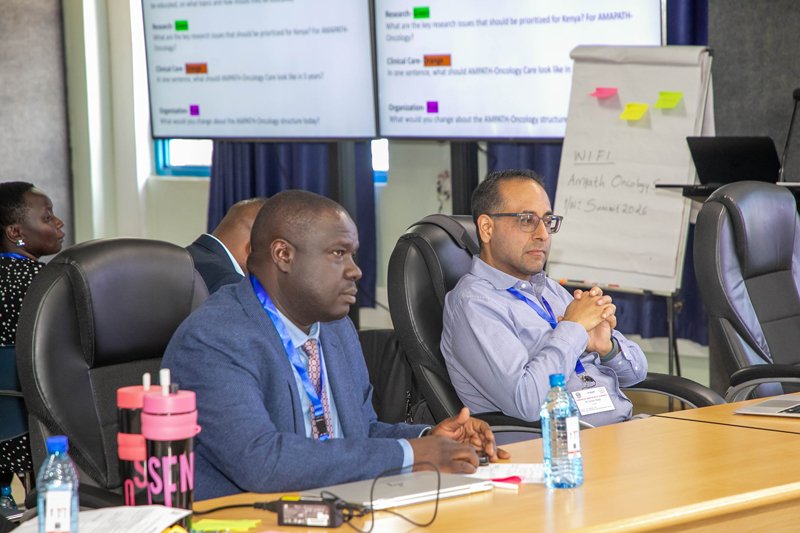
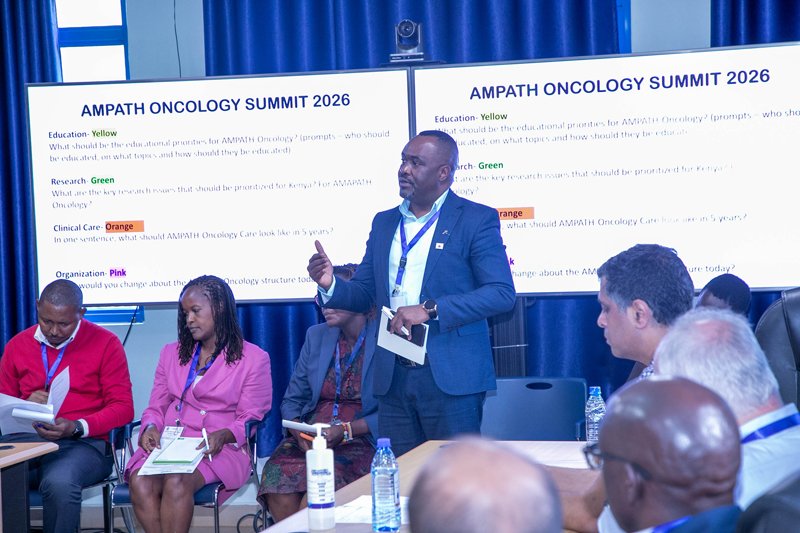
At the Oncology Summit, participants looked beyond the progress already made to the gaps that remain. Discussions focused on strengthening the oncology workforce, expanding specialized training, improving pathology and laboratory capacity, and ensuring primary care providers can recognize and appropriately refer patients with suspected cancer.
Research and data will also be critical to the next phase. Participants called for stronger evidence on the burden, epidemiology and cost of cancer in Kenya, expanded access to clinical trials, better understanding of where patients are lost along the care pathway, and stronger data systems and cancer registries.
Reflecting on the transformation he has witnessed since his first visit to MTRH in 2017, Dr. Satish Gopal, Director of the Center for Global Health and Acting Deputy Director at the U.S. National Cancer Institute, recalled that the Chandaria building had only recently opened and clinical activity was still limited. Nine years later, he returned to a centre bustling with patients receiving increasingly complex care.
Reflecting on what the growth of oncology at AMPATH means for the future of the partnership, Dr. Gopal said, “I think there’s a lot to be really excited about. I hope that following this two-day meeting, people feel very energized and proud of what has been accomplished, but also aware of how much work there is still to do.”
The evolution to complex cancer care demonstrates what sustained partnership, investment and knowledge can make possible.
The next chapter is about building on that foundation: diagnosing cancer earlier, strengthening treatment and research, generating better evidence and ensuring that more patients have somewhere to go when they need care.