
AMPATH Partners Help Launch Multiple Myeloma Association
AMPATH’s Multiple Myeloma Program works to transform a disease marked by isolation, late diagnosis and limited awareness into the focus of a coordinated national effort bringing together patients, clinicians and advocates.
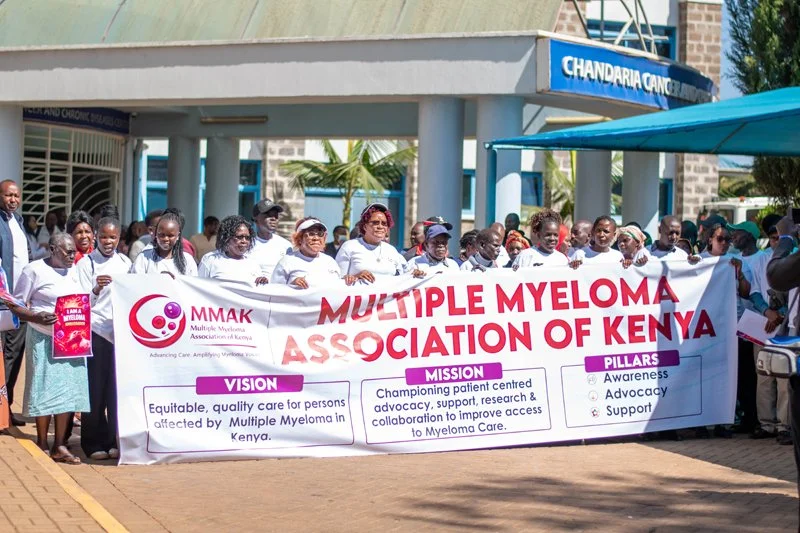
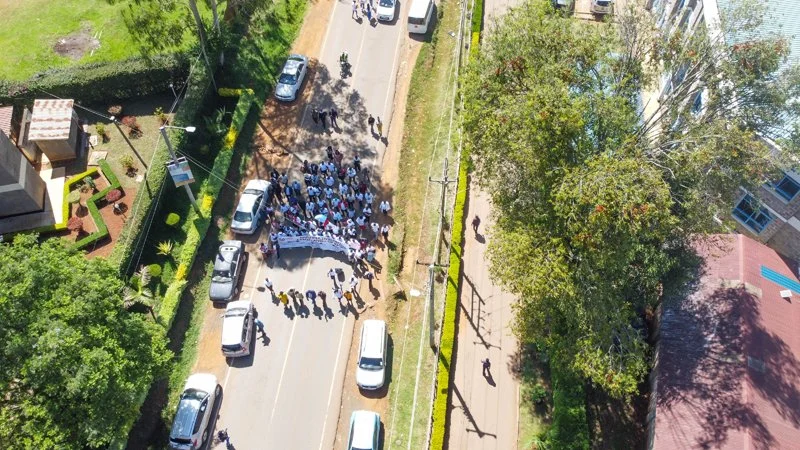
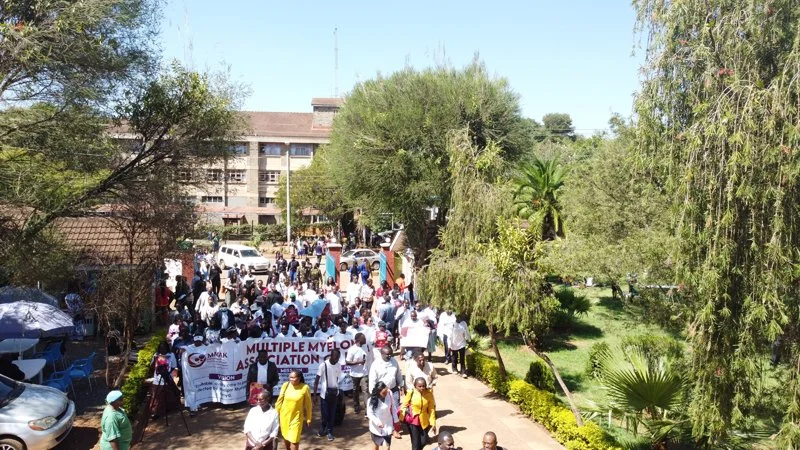
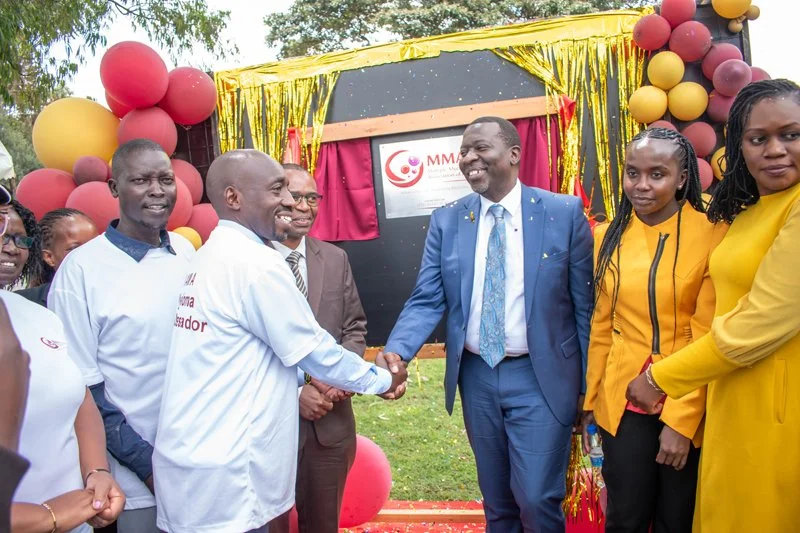
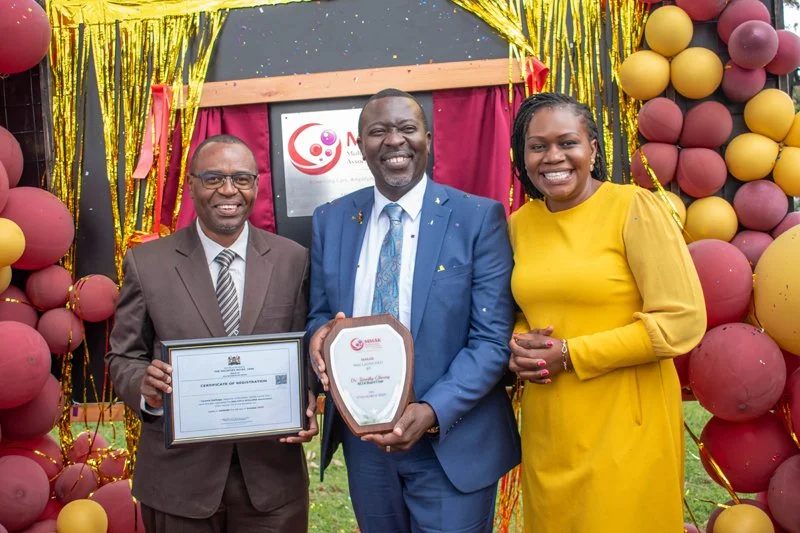
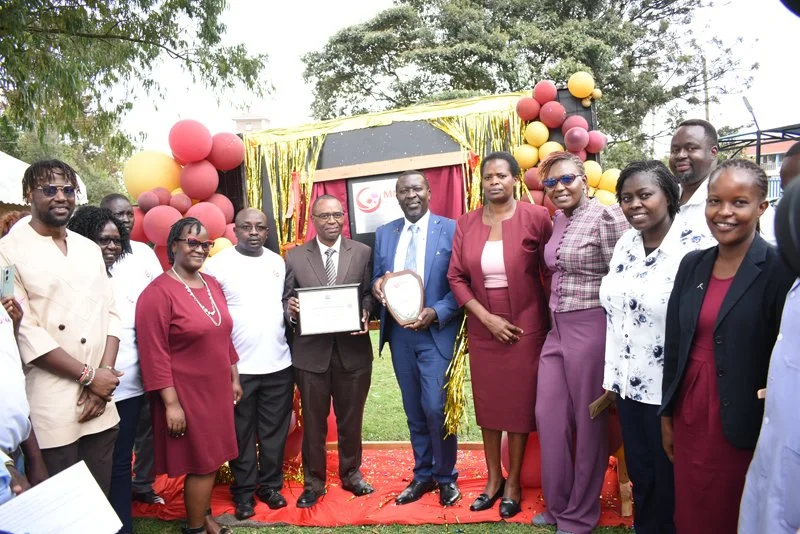
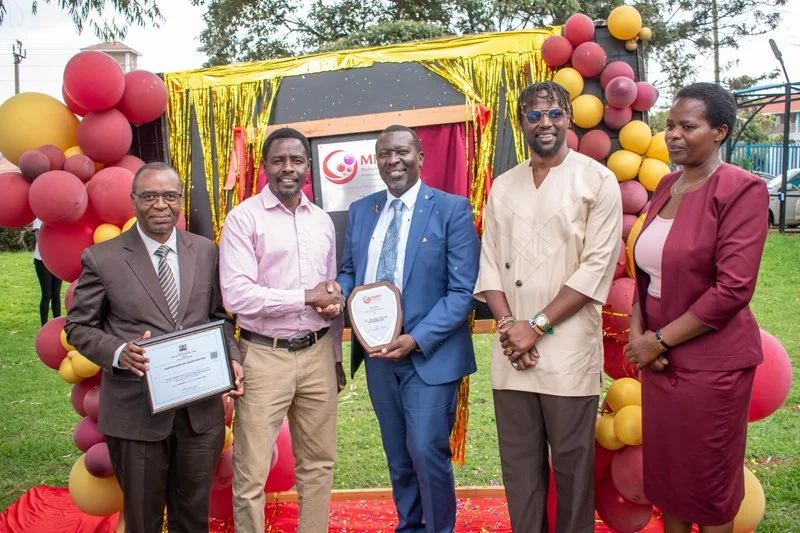
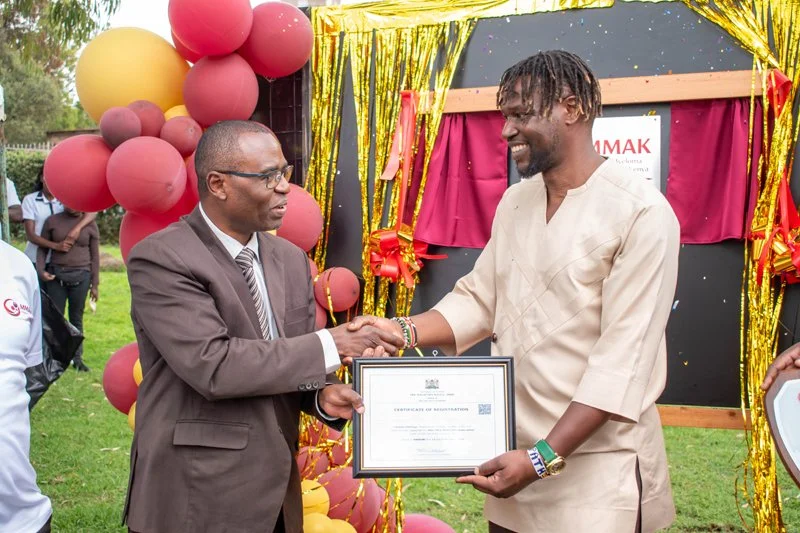
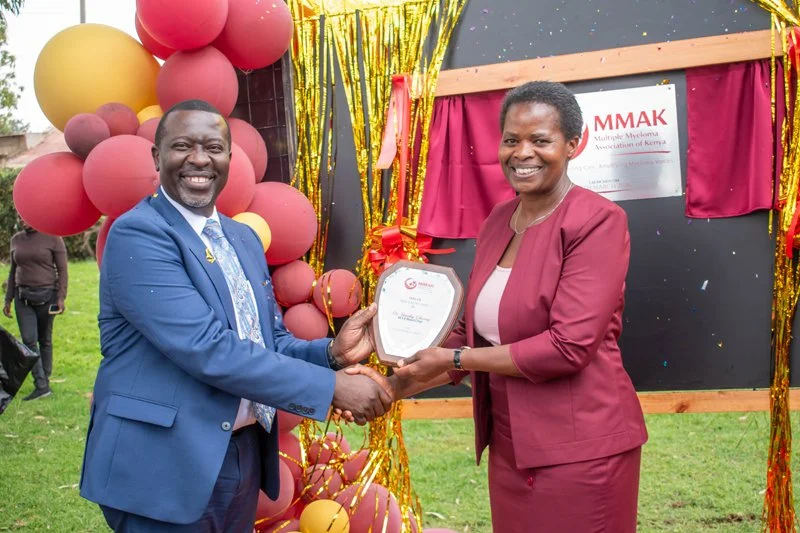
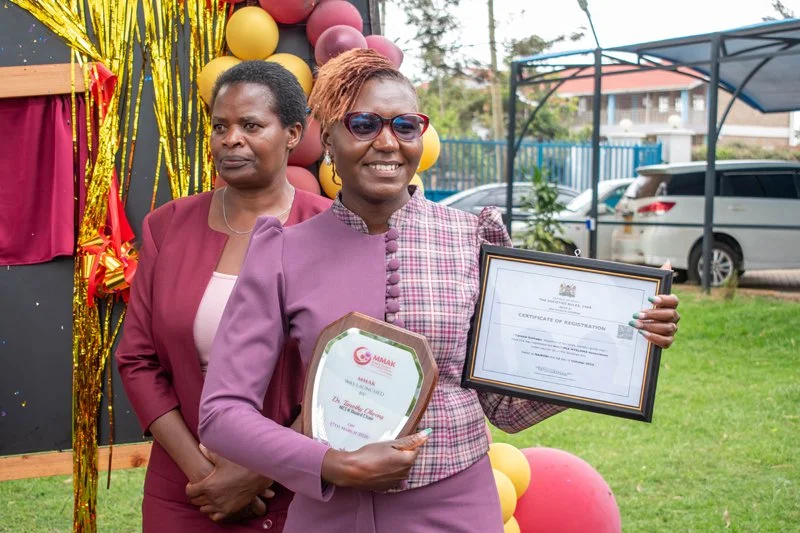
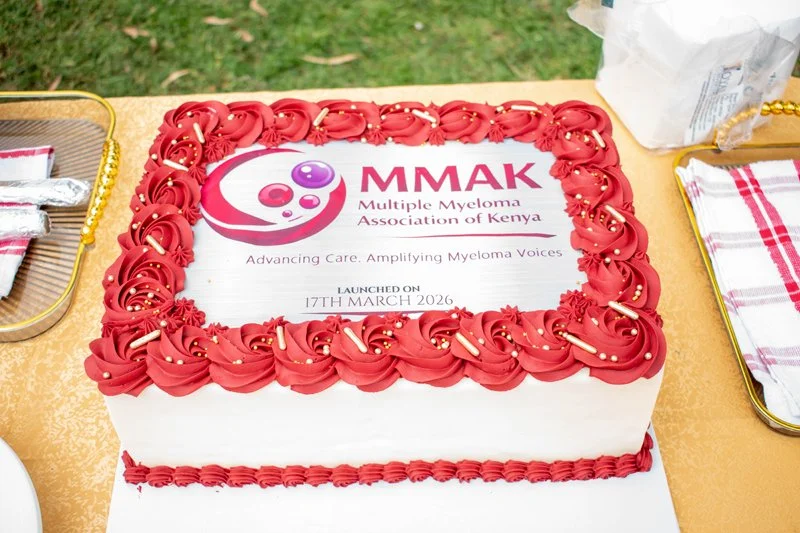
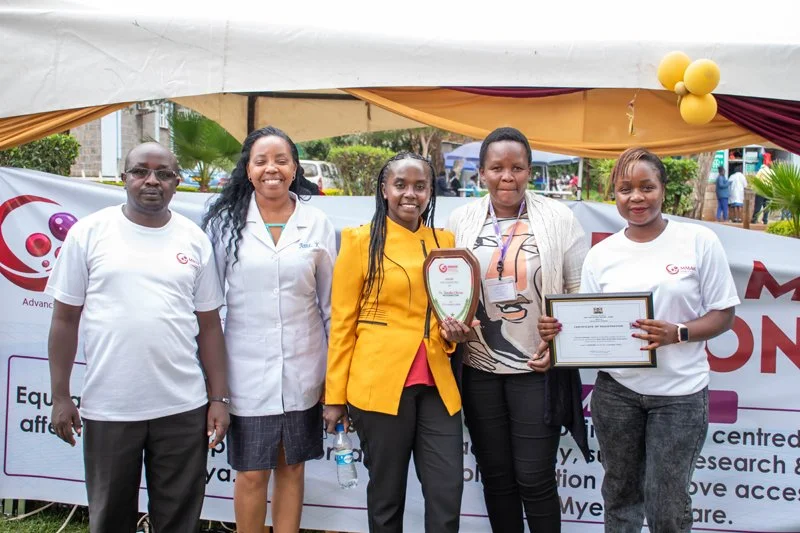
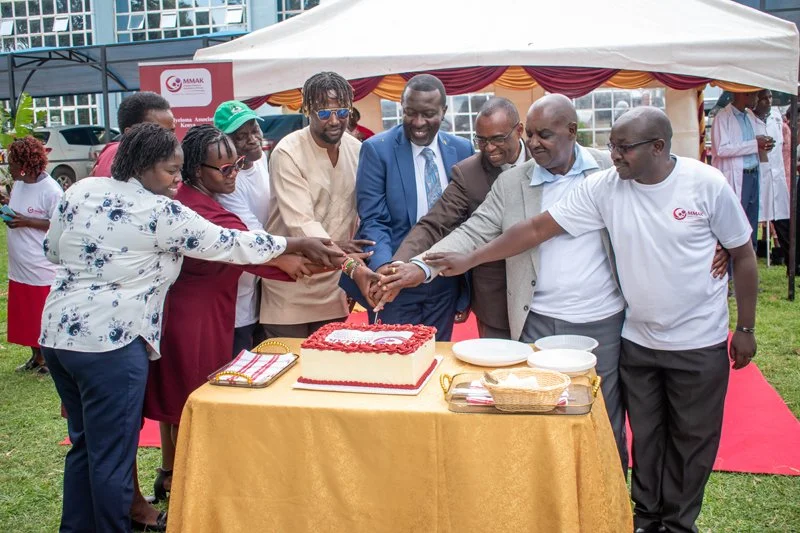
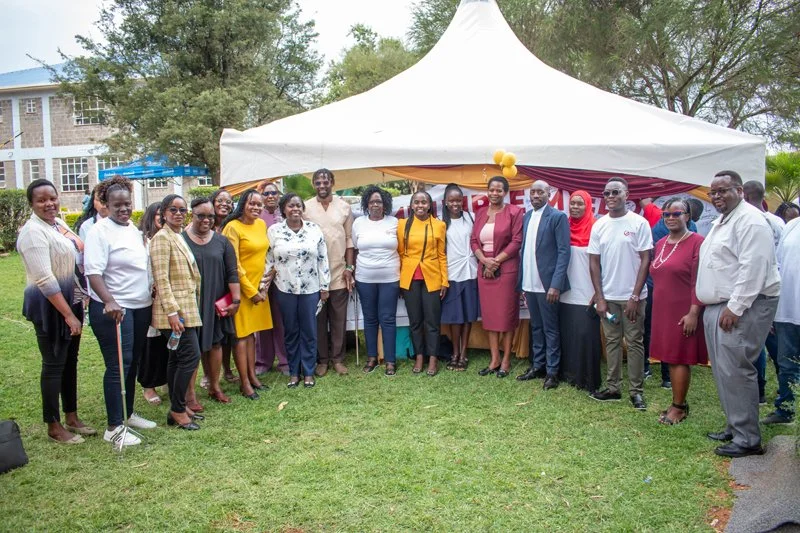
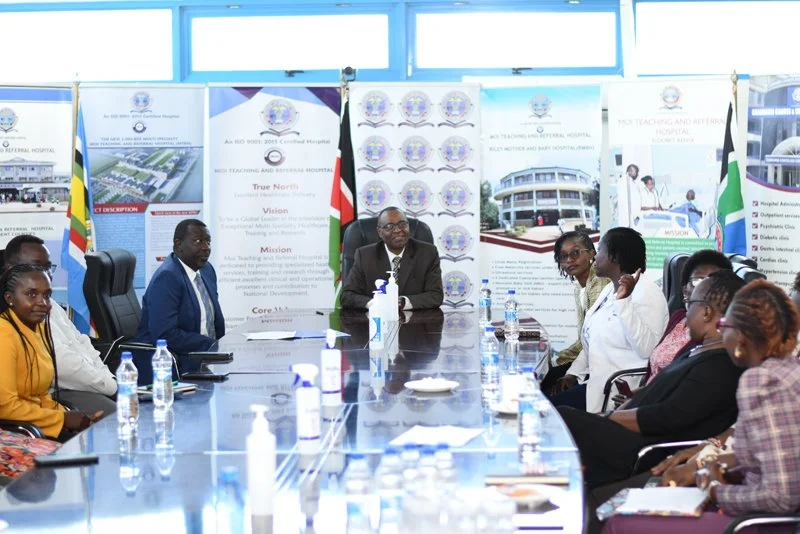
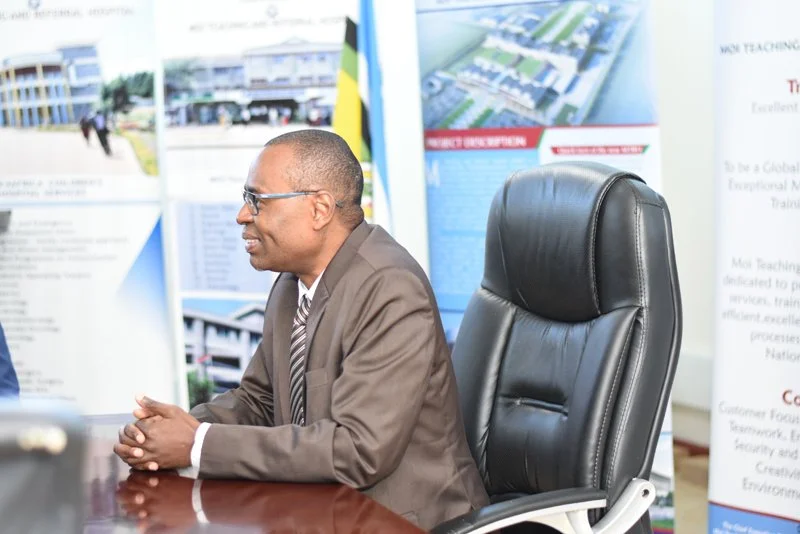
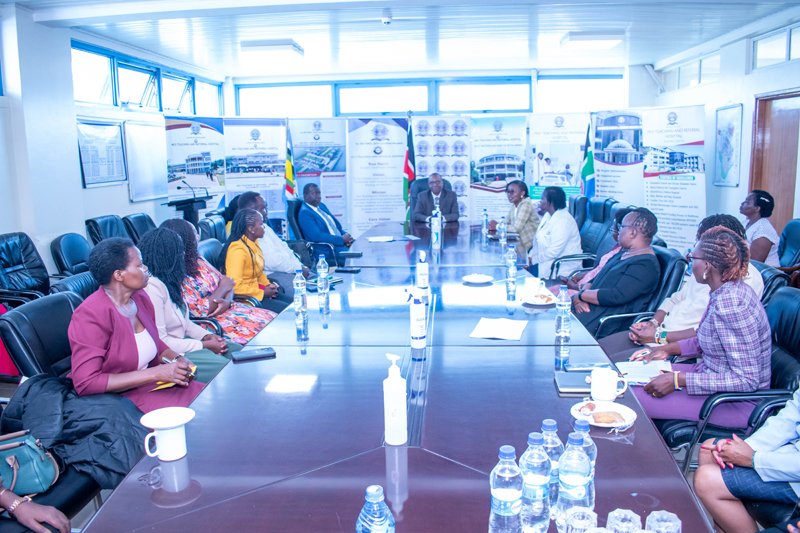
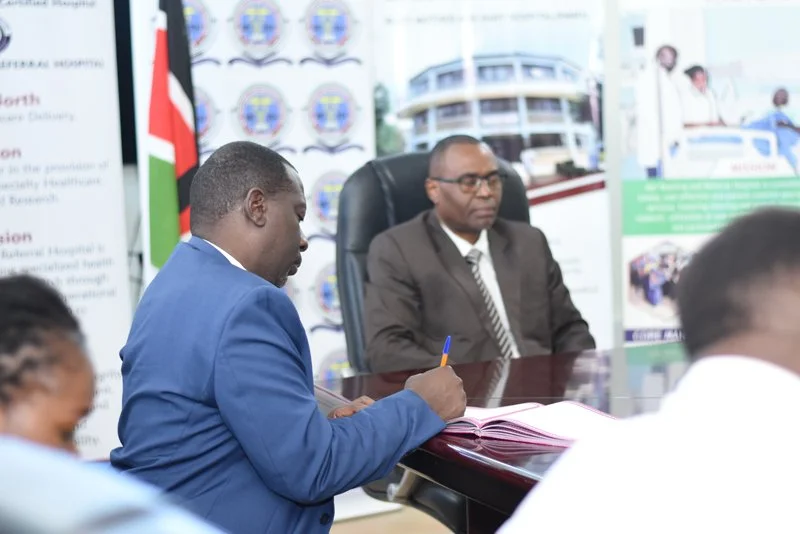
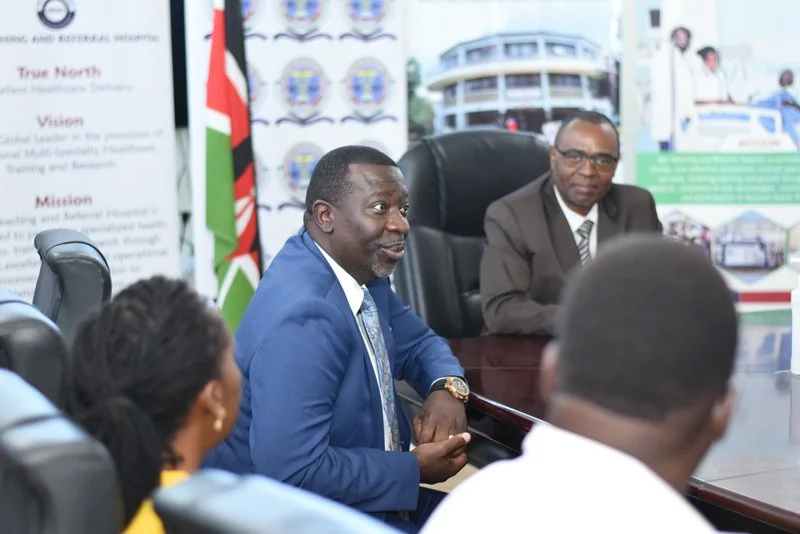
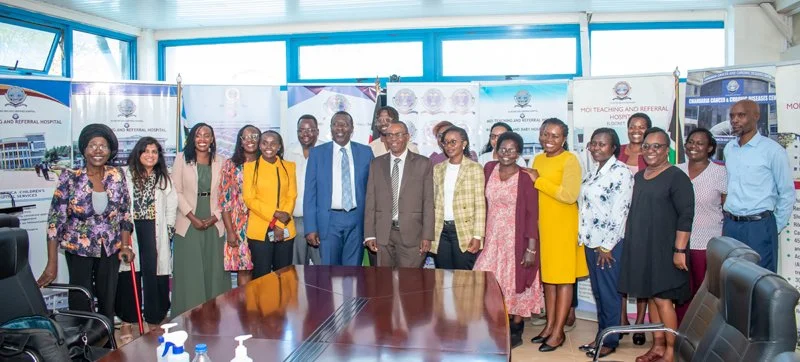
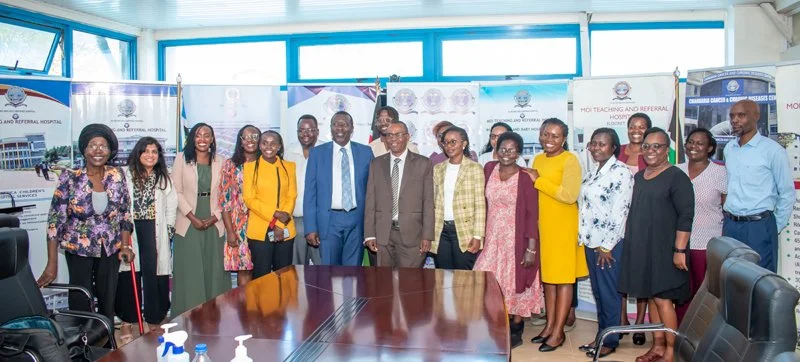
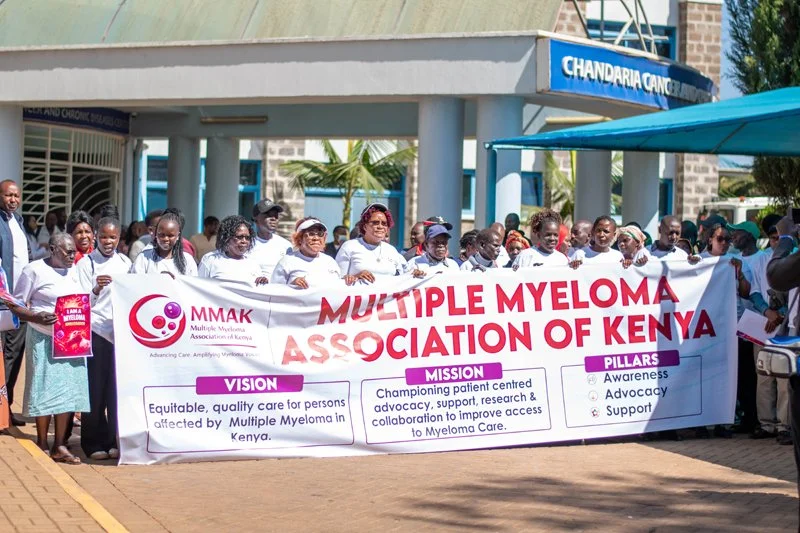
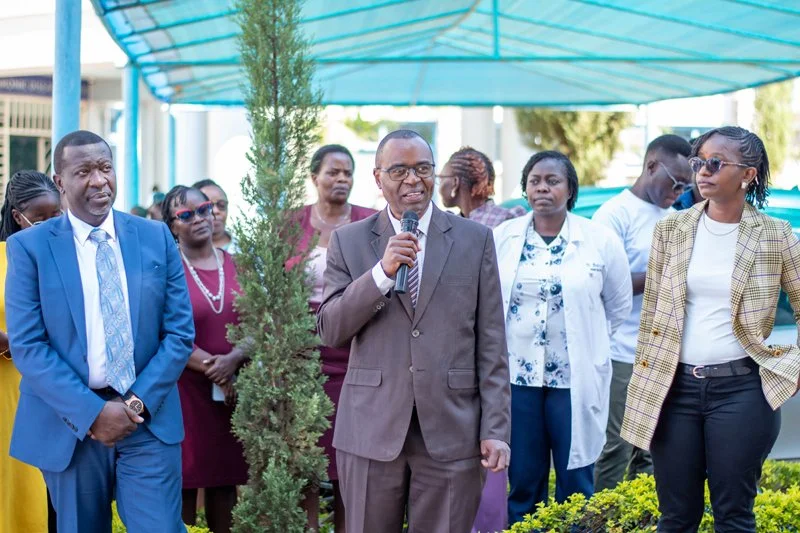
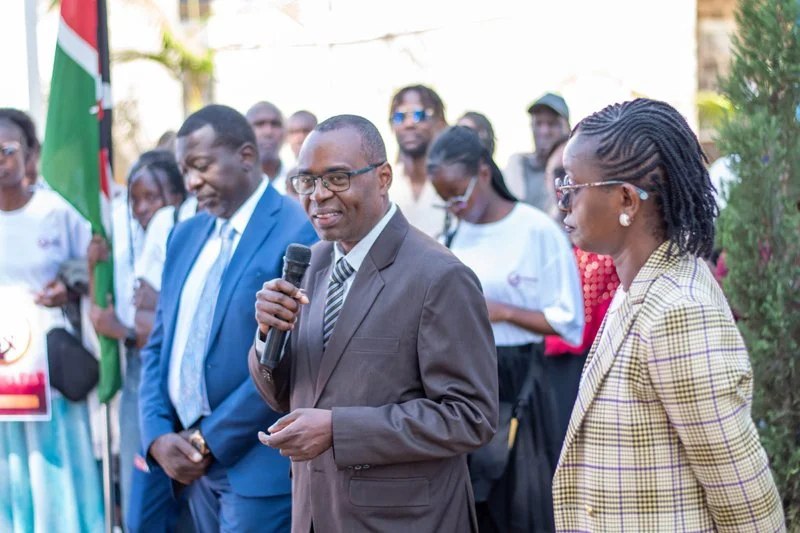
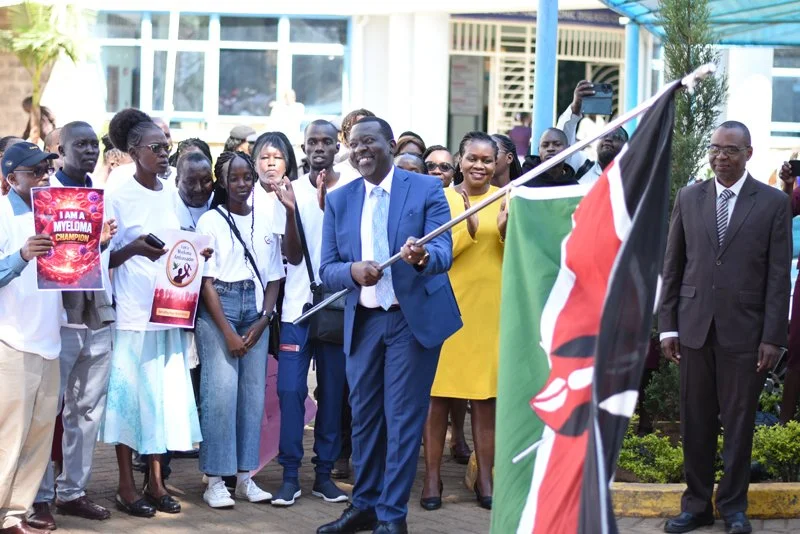
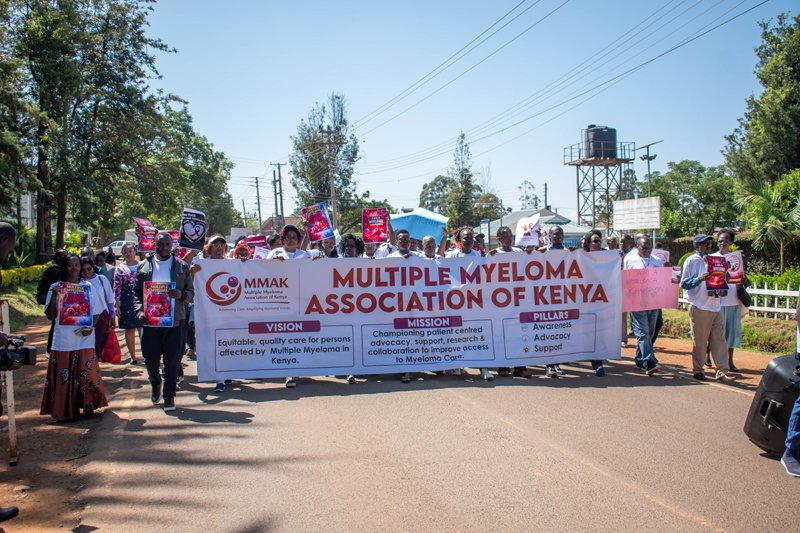
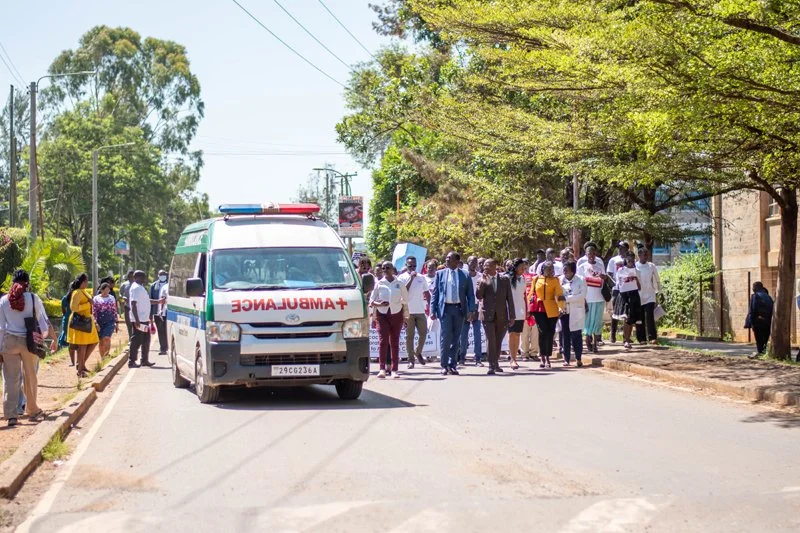
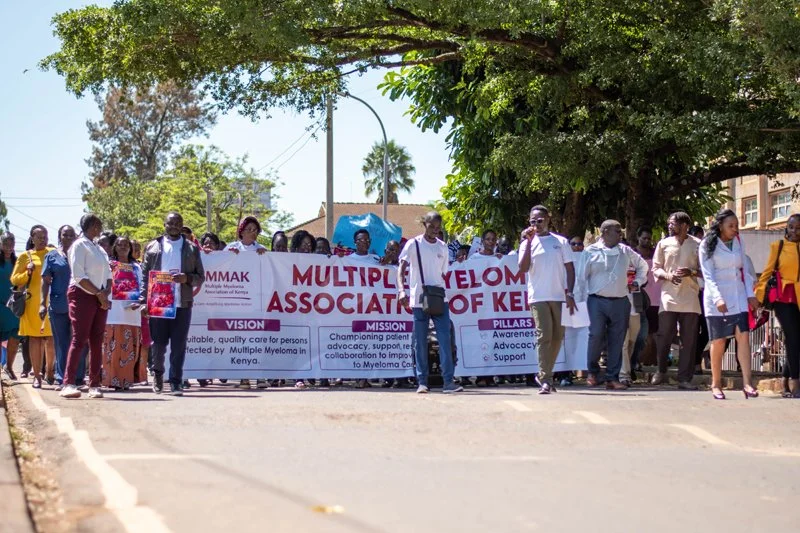
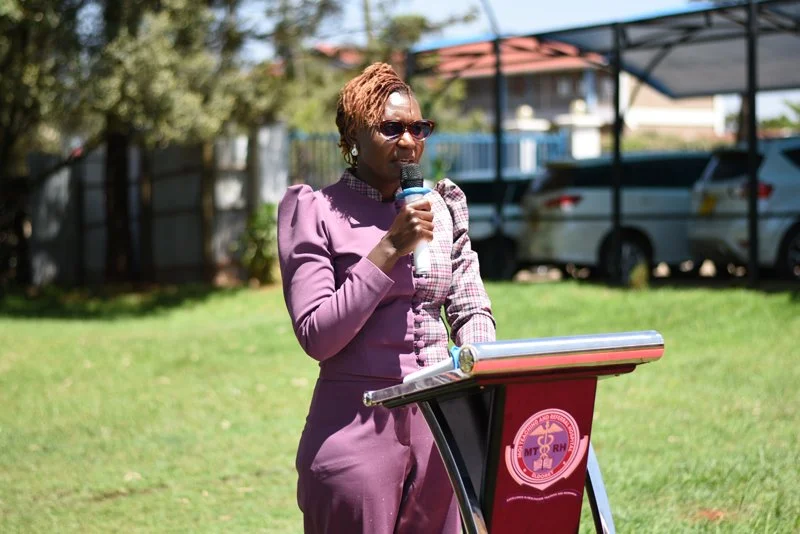
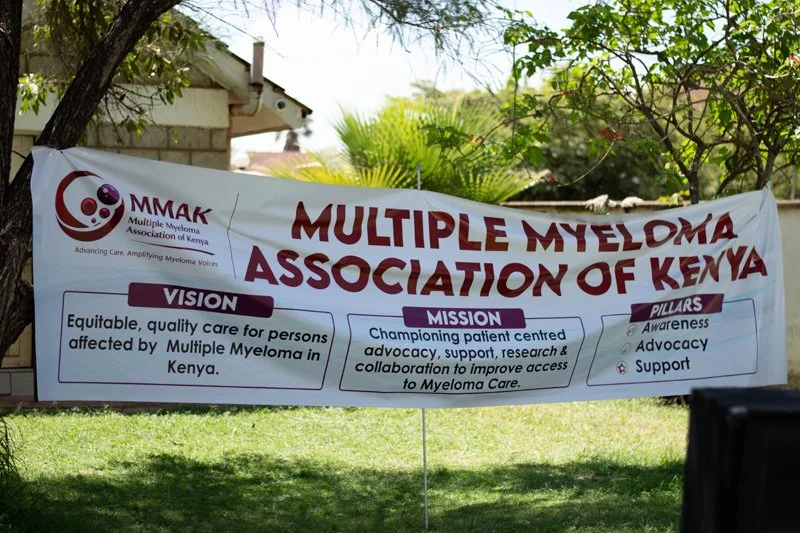
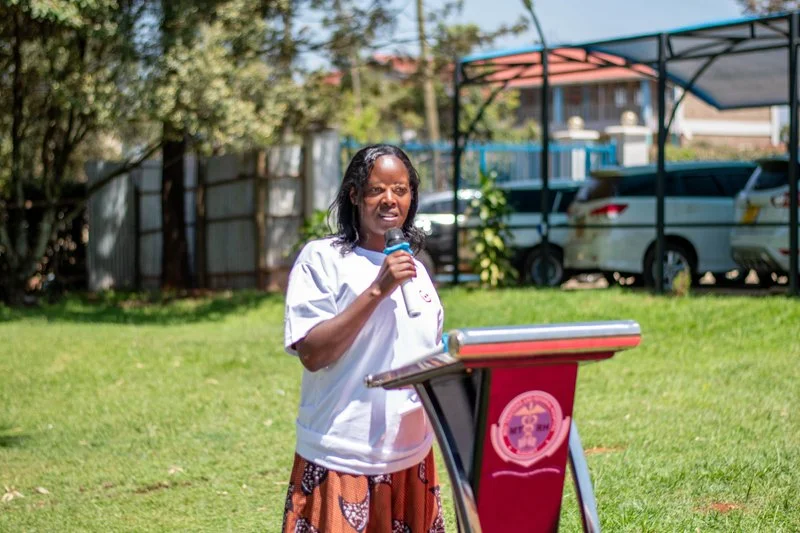
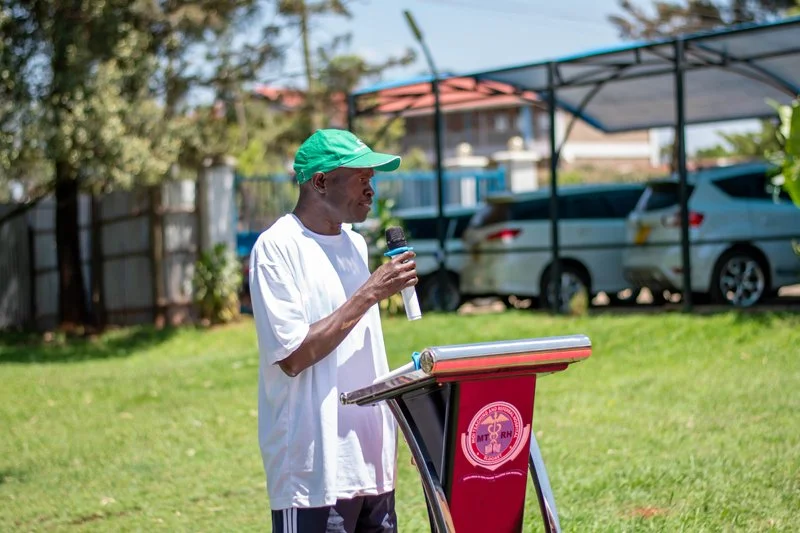
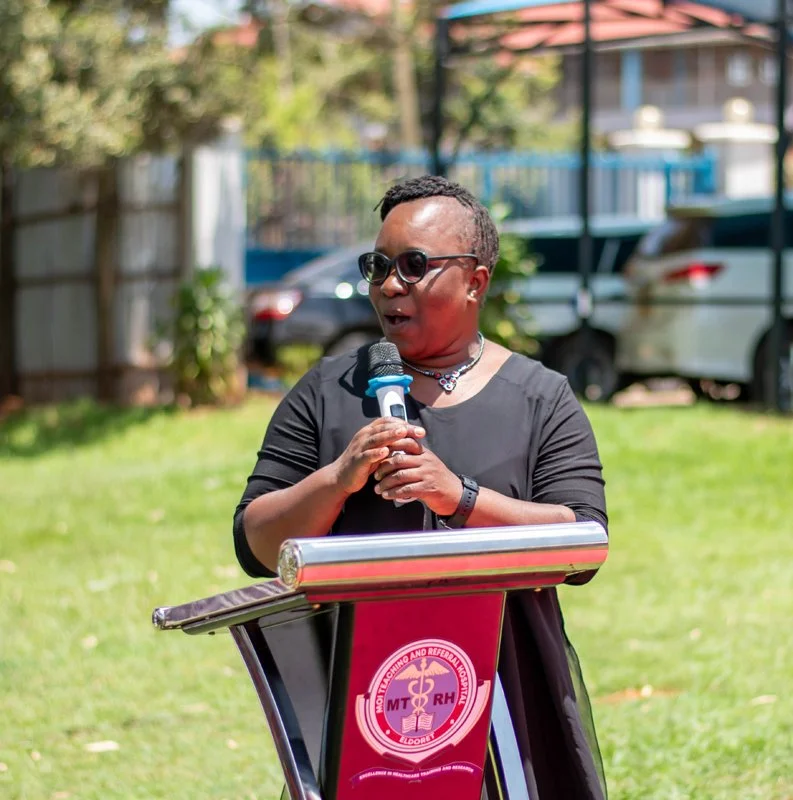
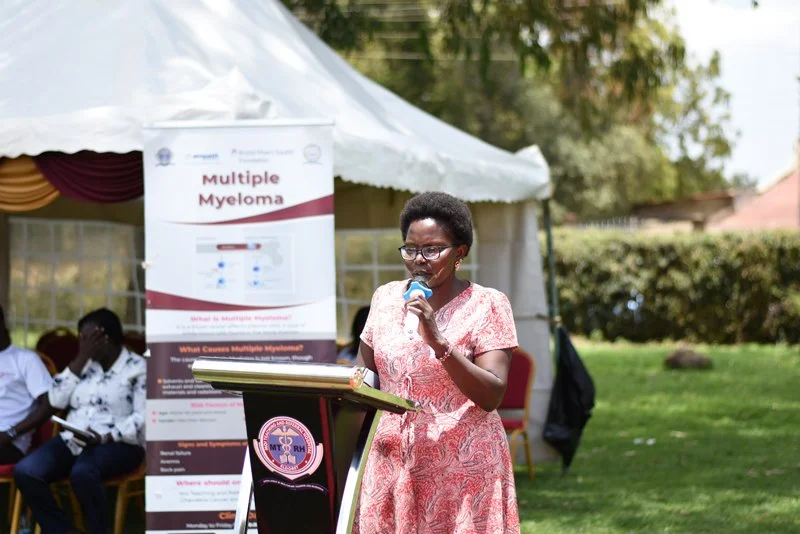
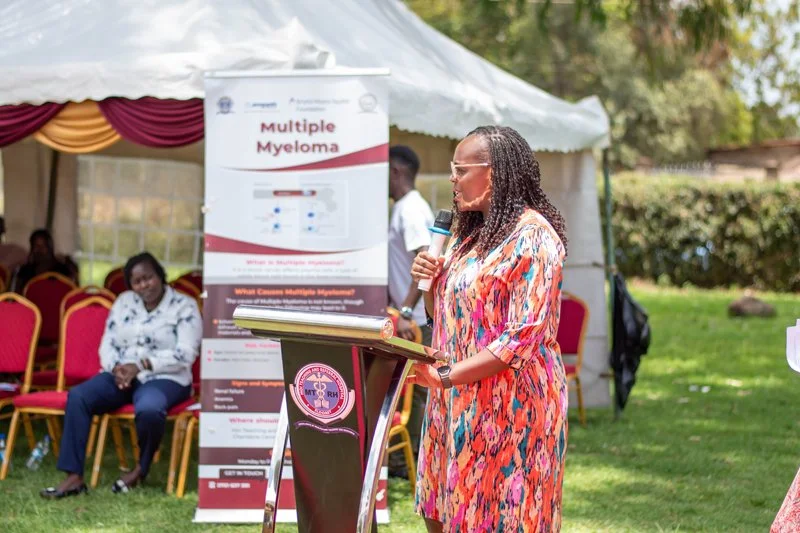
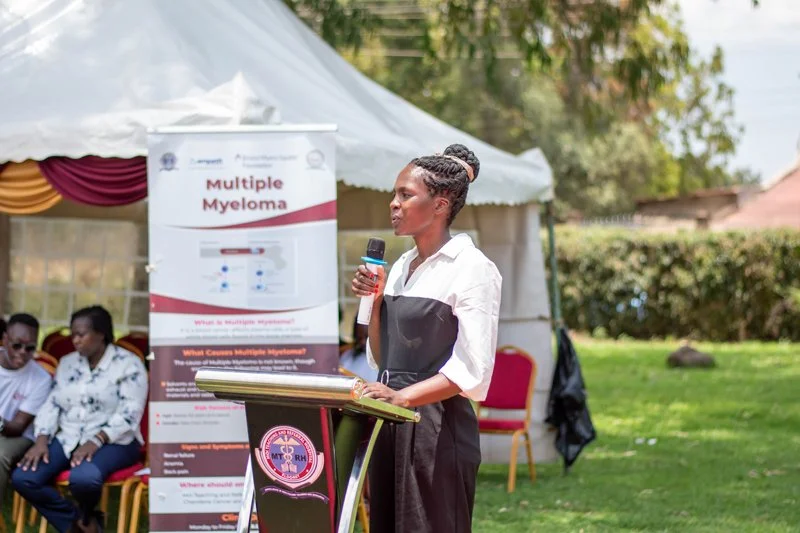
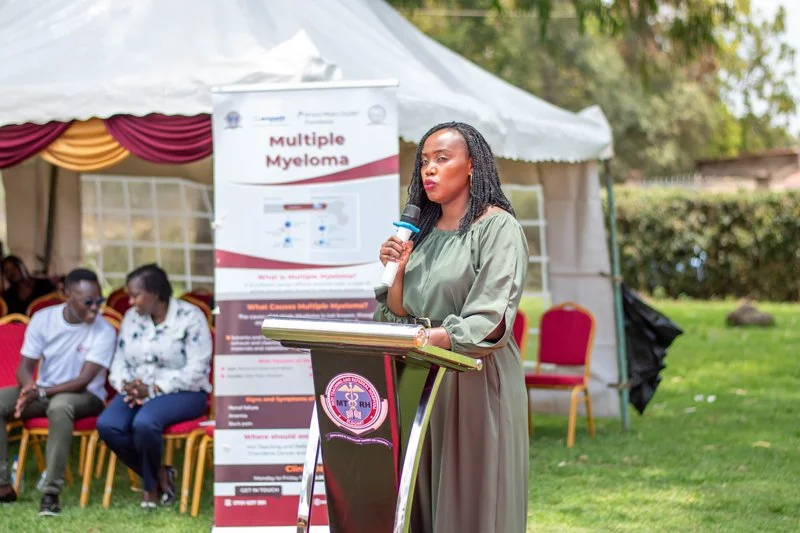
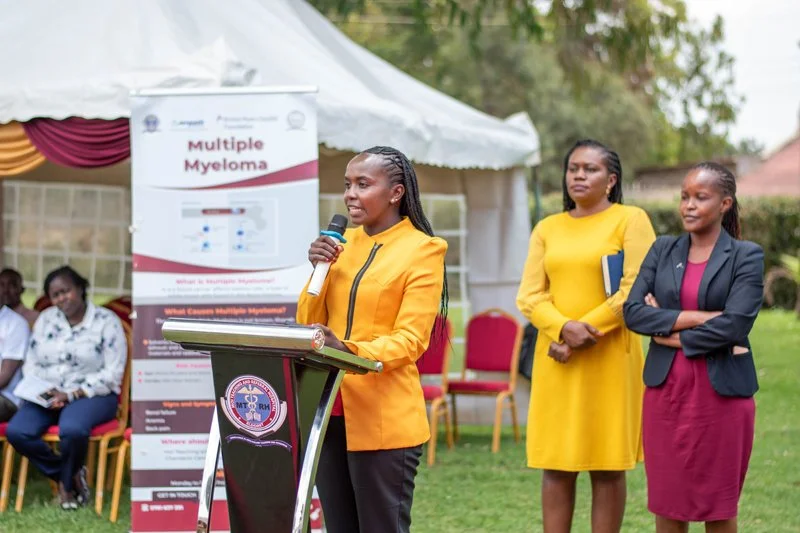
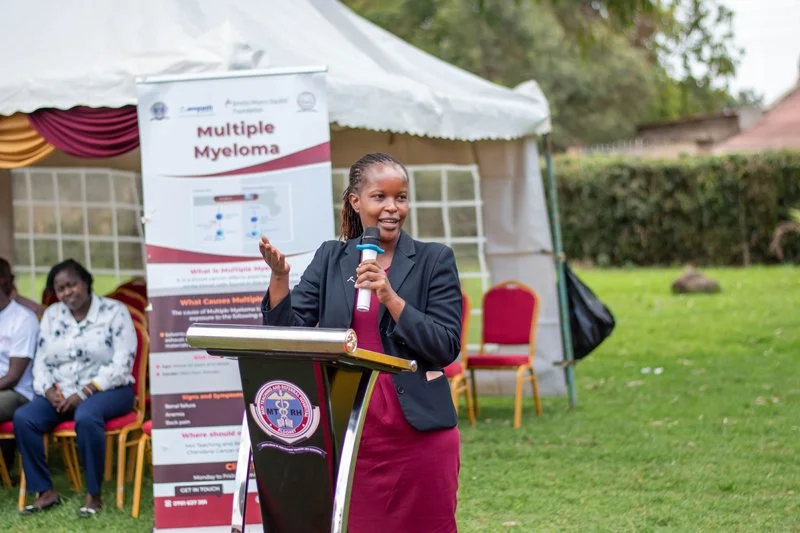
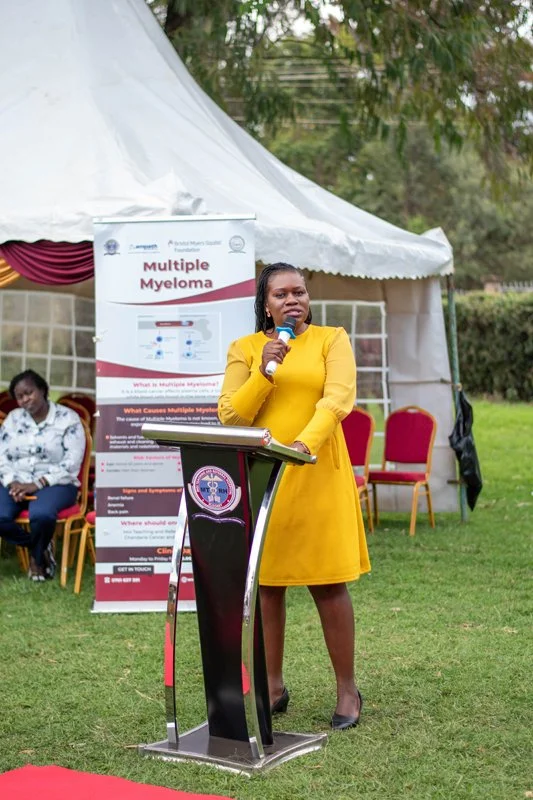
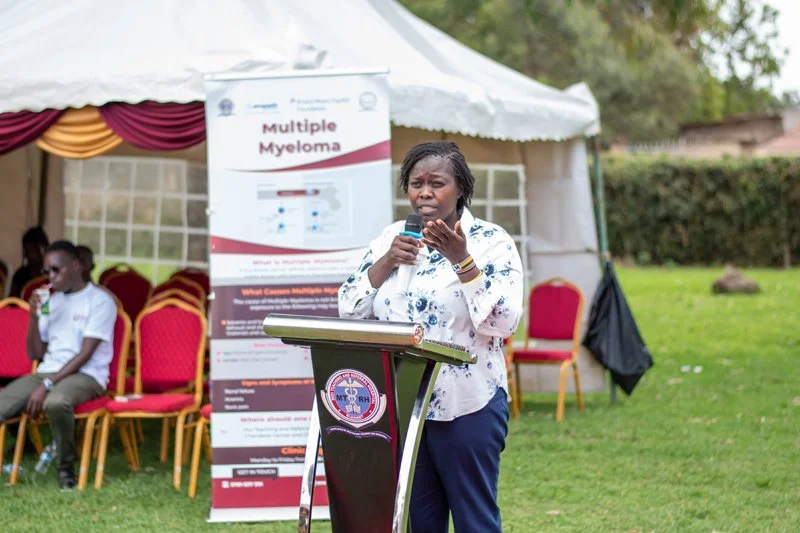
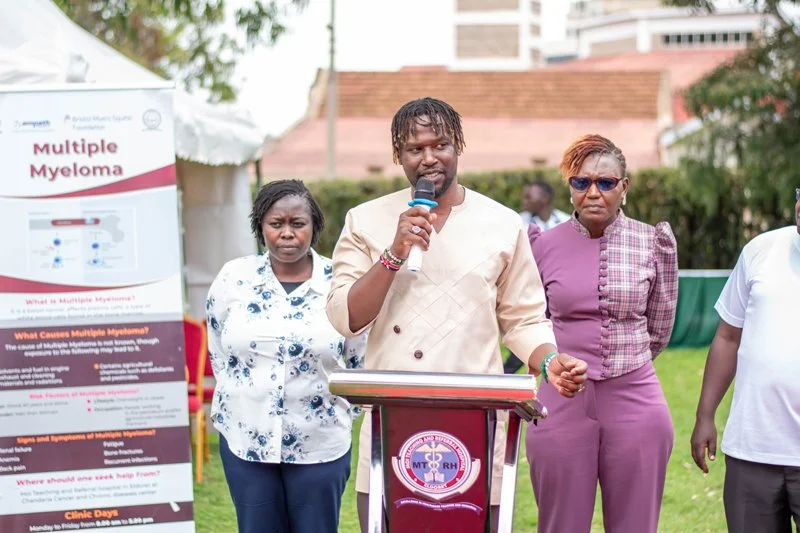
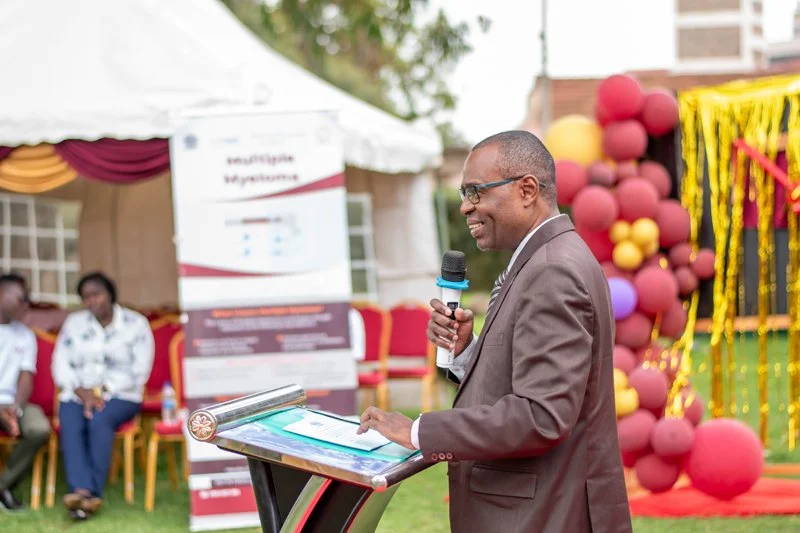
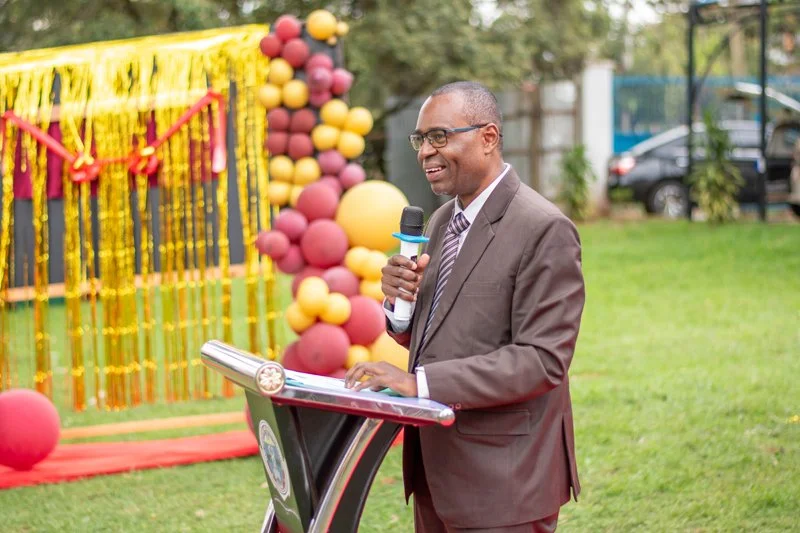
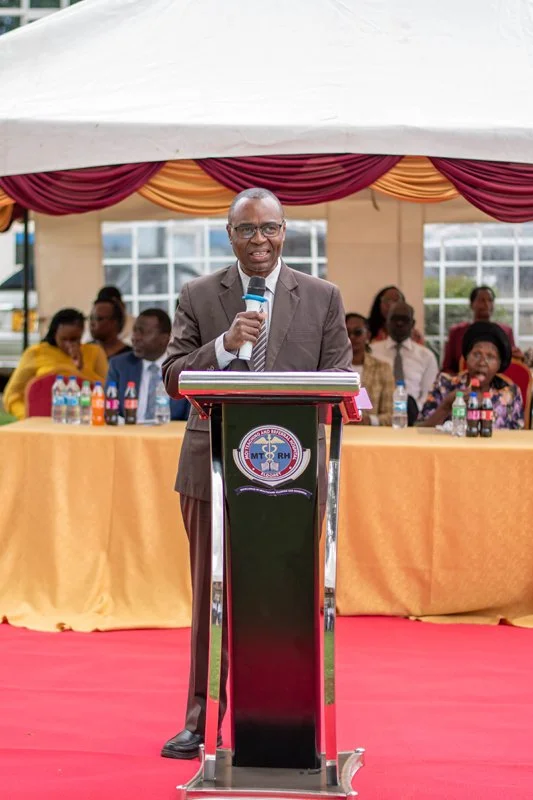
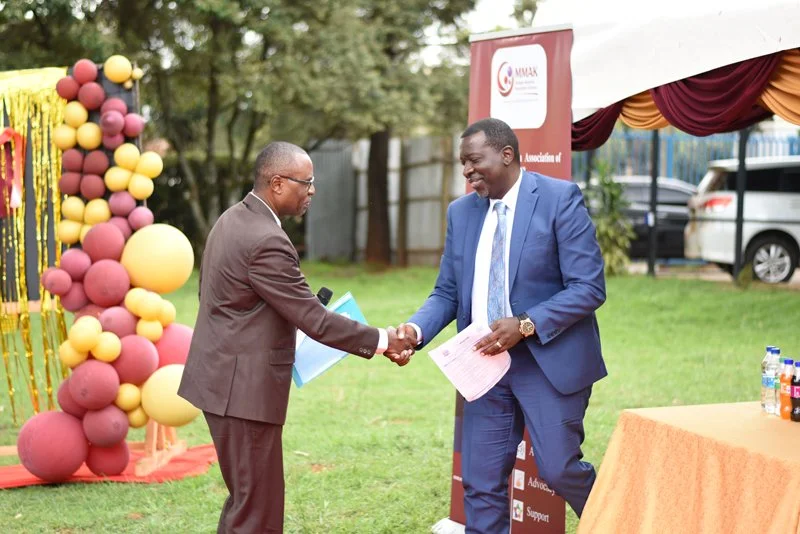
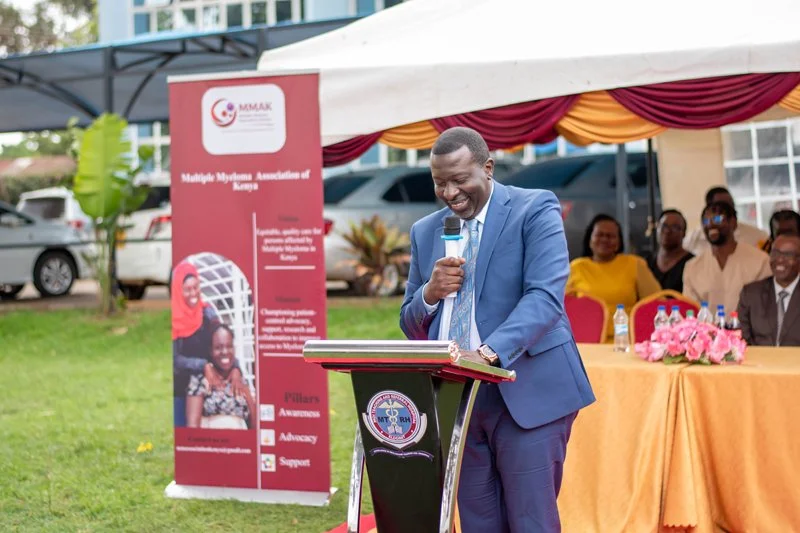
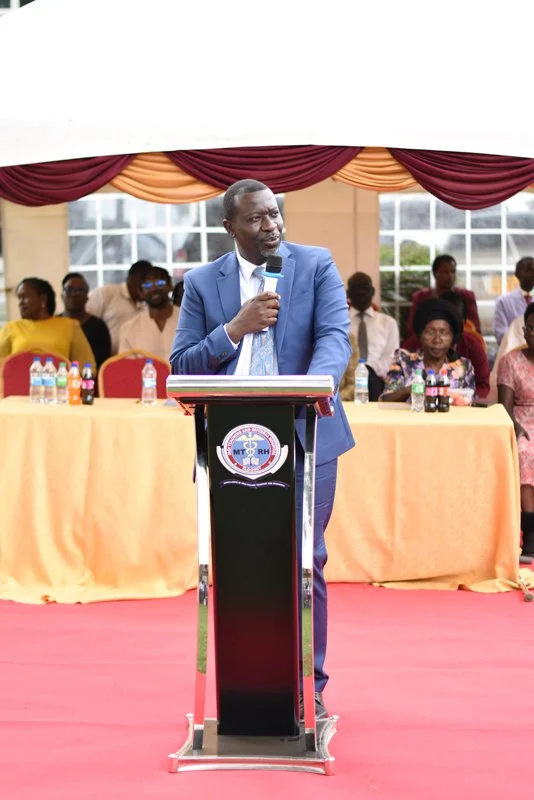
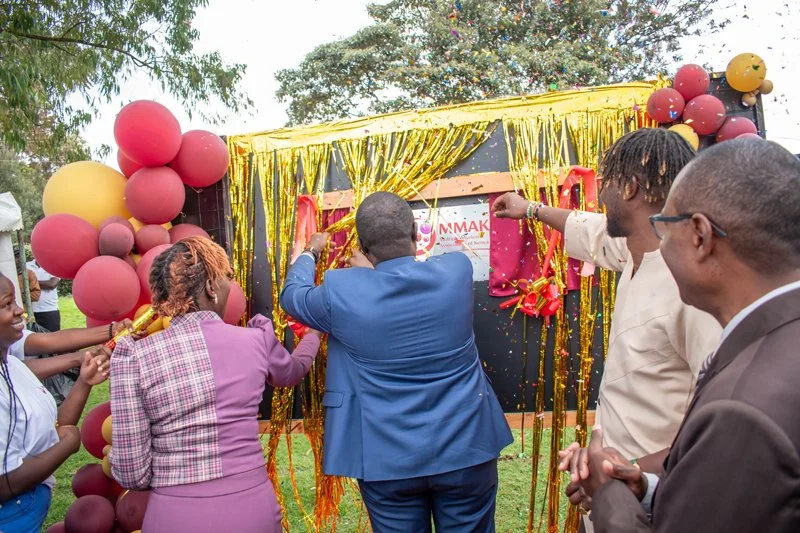
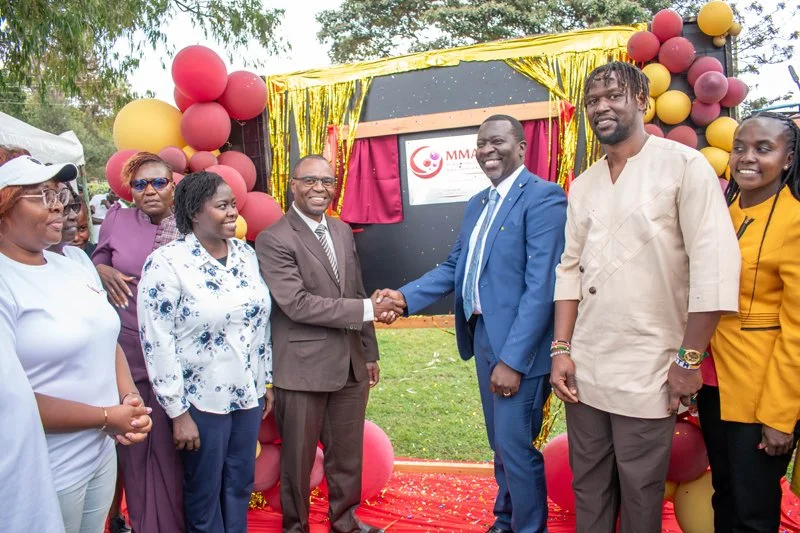
This March, the program reached a significant milestone with the launch of the Multiple Myeloma Association of Kenya (MMAK) at Moi Teaching and Referral Hospital (MTRH) during Multiple Myeloma Action Month.
AMPATH’s Multiple Myeloma Program has spent more than a decade building the foundations of myeloma care in the country including improved early diagnosis, expanded access to treatment, and support for patients throughout their care journey.
That progress has been supported by long-term support from Bristol Myers Squibb Foundation (BMSF), Pfizer, Inc., the Global Myeloma Action Network and the International Myeloma Foundation.
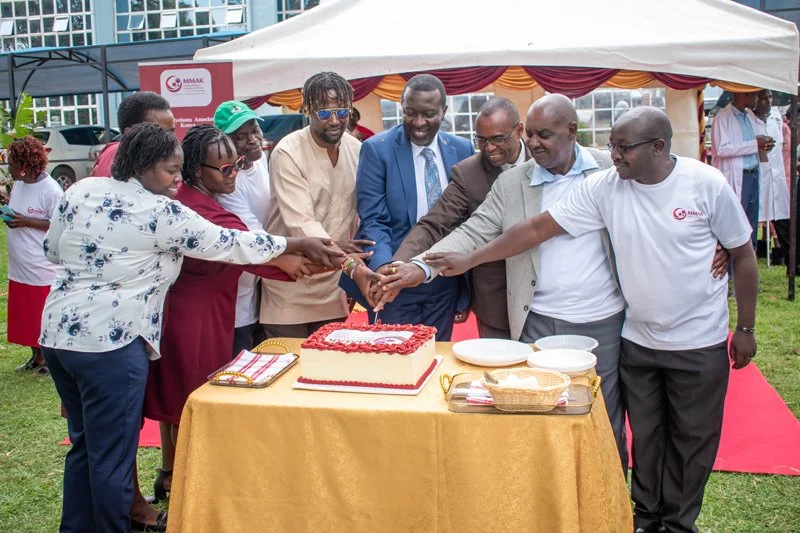
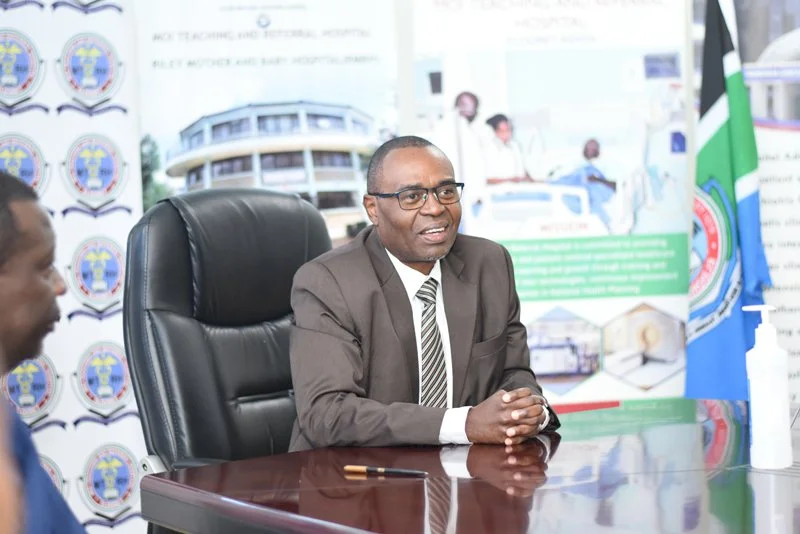
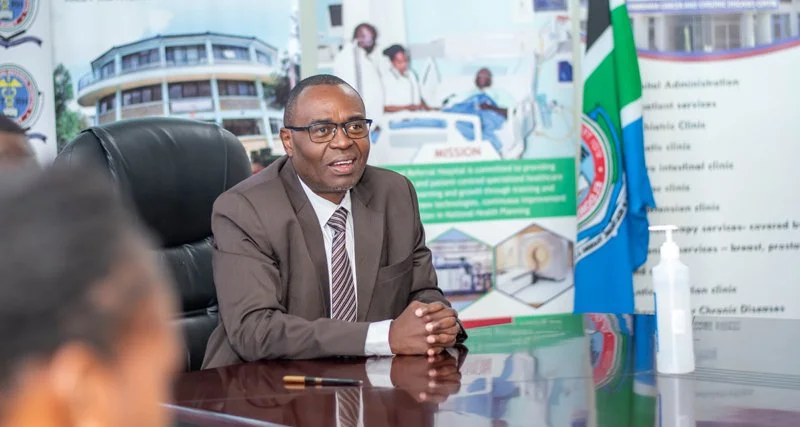
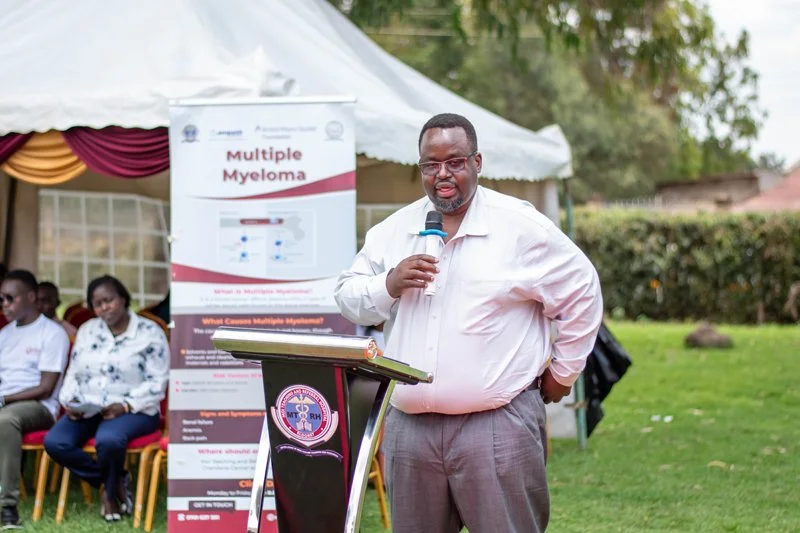
“For many years, patients suffered in silence, often unaware of what was happening to their bodies or that specialized care existed close to them,” said Dr. Andrew Wandera, senior director of clinical services at MTRH on behalf of the CEO, Dr. Philip Kirwa. ”Today, that narrative is changing. Through partnerships, research, and patient-centered care, we are giving hope to individuals and families affected by multiple myeloma,”
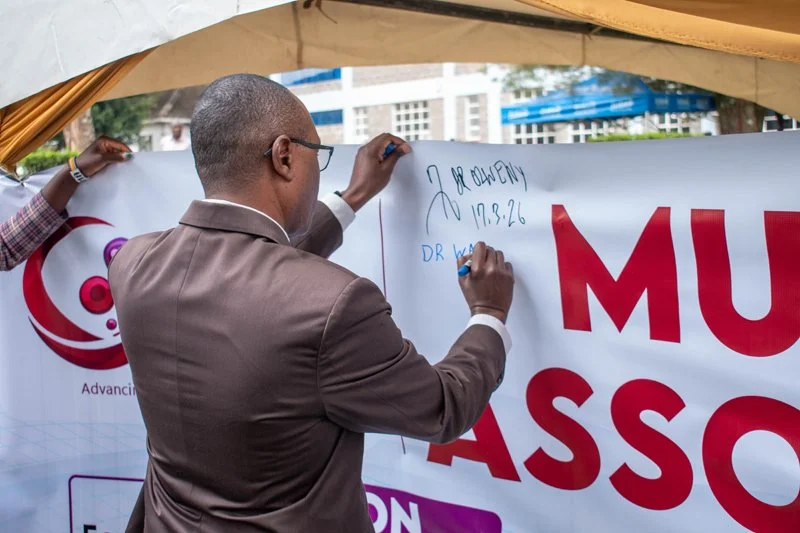
The launch event was officiated by Dr. Timothy Olweny, chairperson of the board at the National Cancer Institute of Kenya, who emphasized the importance of strengthening patient advocacy and awareness.
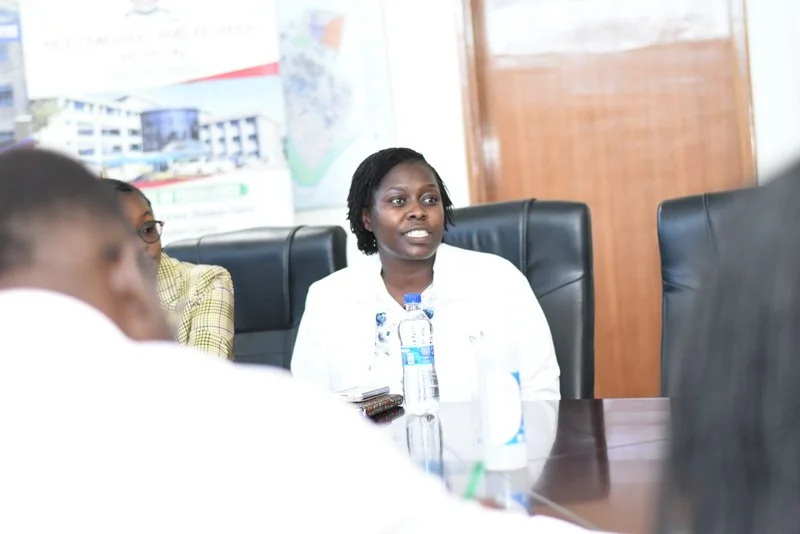
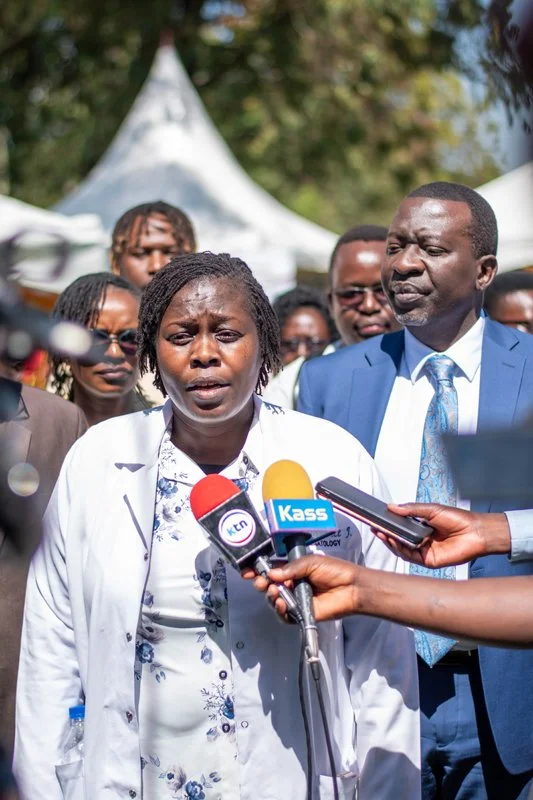
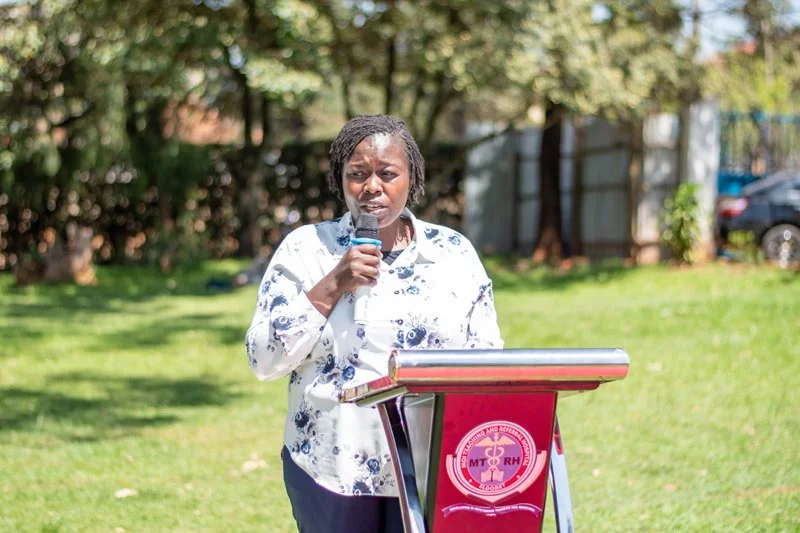
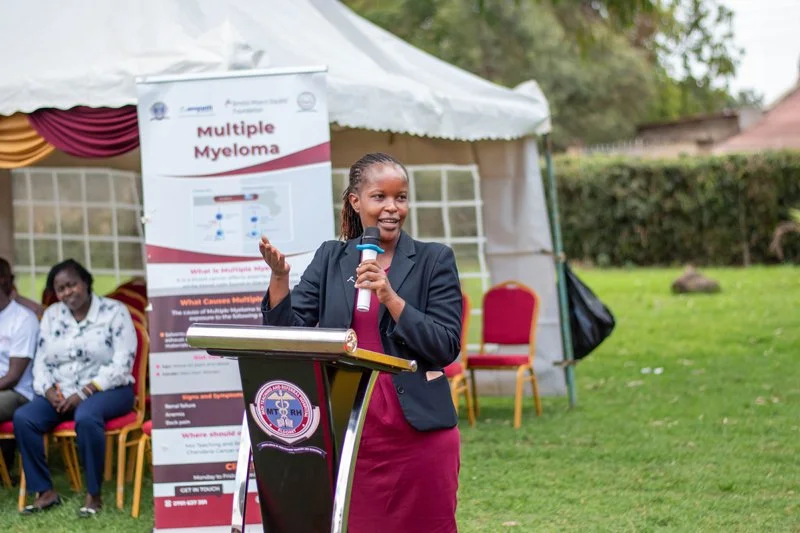
One of the greatest challenges is ensuring the disease is recognized early enough to treat effectively. “This disease camouflages many other conditions and requires a high index of suspicion,” said Dr. Beatrice Melly, clinical hematologist at MTRH and principal investigator for the AMPATH Multiple Myeloma program. “If symptoms persist despite treatment, both patients and healthcare providers must consider further investigation.”
Her message underscores a central issue in myeloma care. Globally, the disease affects more than 176,000 people each year and is frequently misdiagnosed due to its complex and overlapping symptoms. In Kenya, underdiagnosis has long obscured the true burden of the disease, with many patients only identified at advanced stages.
Dr. Melly says improving outcomes requires not only clinical expertise, but a shift in how patients are seen and supported. “Behind every medical file is a human being, a parent, a teacher, a farmer, or a student, deserving dignity, support and the opportunity to live a meaningful life.”
The AMPATH program has worked to address these challenges by training healthcare workers, strengthening referral systems and integrating psychosocial support into care. At MTRH alone, the program has diagnosed and treated hundreds of patients, contributing to a growing body of experience in managing the disease locally.
The launch of the Multiple Myeloma Association of Kenya builds on that clinical foundation, creating a national platform for patient advocacy, awareness and support. Developed through collaboration between patients and healthcare providers, the association aims to amplify patient voices, improve access to care and foster a sense of community for those affected by the disease.
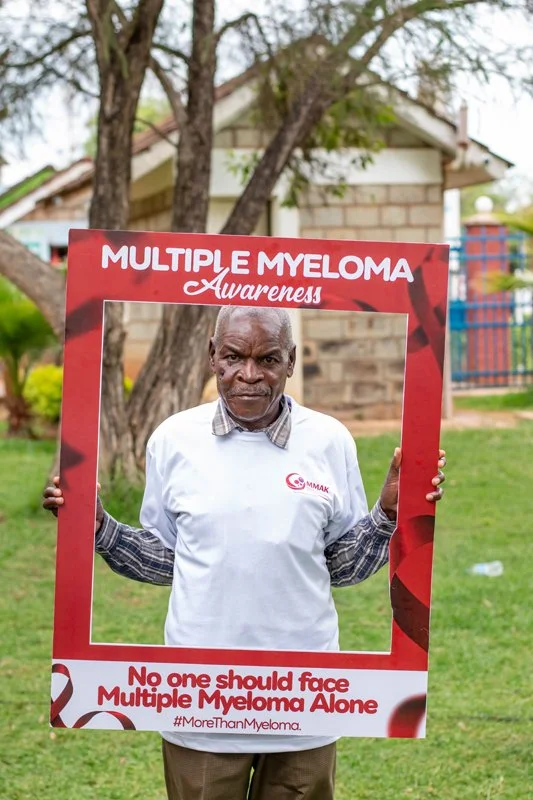
Its debut during Myeloma Action Month aligns with the global #MoreThanMyeloma campaign, which emphasizes that patients are more than their diagnosis and calls for more holistic, person-centered care.
For patients like Kevin Mwachiro, that shift represents a profound change from just a decade ago. “The days of journeying with multiple myeloma in solitude are gone. When I was diagnosed in 2015, there was hardly anyone to talk to,” said Mwachiro. “All the information on myeloma came from abroad, and there was very little knowledge of the disease. I hope those days are behind us now.”
He describes the new association as a space not only for advocacy, but for connection, shared experience, and resilience. “It is my expectation that the association will not just be a place of convening but also a place of sharing, encouragement, joy, and exploration of how to live holistically with the disease,” he continued.
International partners say the milestone reflects Kenya’s growing leadership in addressing myeloma and strengthening patient-centered care.
Heather Cooper Ortner, president and CEO of the International Myeloma Foundation said, “Establishing a national patient-led organization creates a vital platform to raise awareness, empower patients and caregivers, advocate for improved access to diagnosis and treatment, and build a strong, supportive community for everyone affected by multiple myeloma.”
“We at the Foundation are proud of our partnership with the AMPATH’s multiple myeloma project and will continue to celebrate your achievements. May this day be only the beginning of greater success,” said Madam Christabel Semondile, BMSF-Africa Senior Director.
“The launch of the Multiple Myeloma Association of Kenya marks a significant milestone in strengthening patient-centered advocacy for blood cancers in Kenya,”: said Dr. Sam Mbunya, interim patron for the association. “This initiative brings together patients, caregivers, healthcare professionals and partners under a shared vision of improving awareness, access to care and support for those affected by multiple myeloma. As interim patron, I was deeply encouraged by the collective commitment demonstrated during the launch—highlighting not only the urgent need for structured patient support but also the power of community in driving meaningful change. MMAK stands as a beacon of hope, signaling a future where patients are empowered, voices are amplified, and no individual faces multiple myeloma in isolation.”
For caregivers like Hellen Gatimu, the impact of the disease is deeply personal. After her husband’s diagnosis, she stepped into a full-time caregiving role, navigating both emotional and financial strain. “Venturing into a caregiver was not an option for me, but a call,” she said. “I have experienced fear of death, sleep deprivation, anxiety, fatigue, feeling vulnerable and emotional distress especially when he was experiencing pain.”
Her experience reflects the broader reality faced by many families, reinforcing the importance of stronger support systems. The MMAK now seeks to bring those experiences together into a unified voice, advocating for earlier diagnosis, better access to treatment, and sustained patient support nationwide.
“What gives me hope as I continue in this journey is knowing we are not alone,” said Gatimu. “There are better days ahead, fueled by resilience, mutual support and the capacity to overcome challenges together.”