
FACET Program Builds a New Generation of Clinical Teaching Champions in Kenya
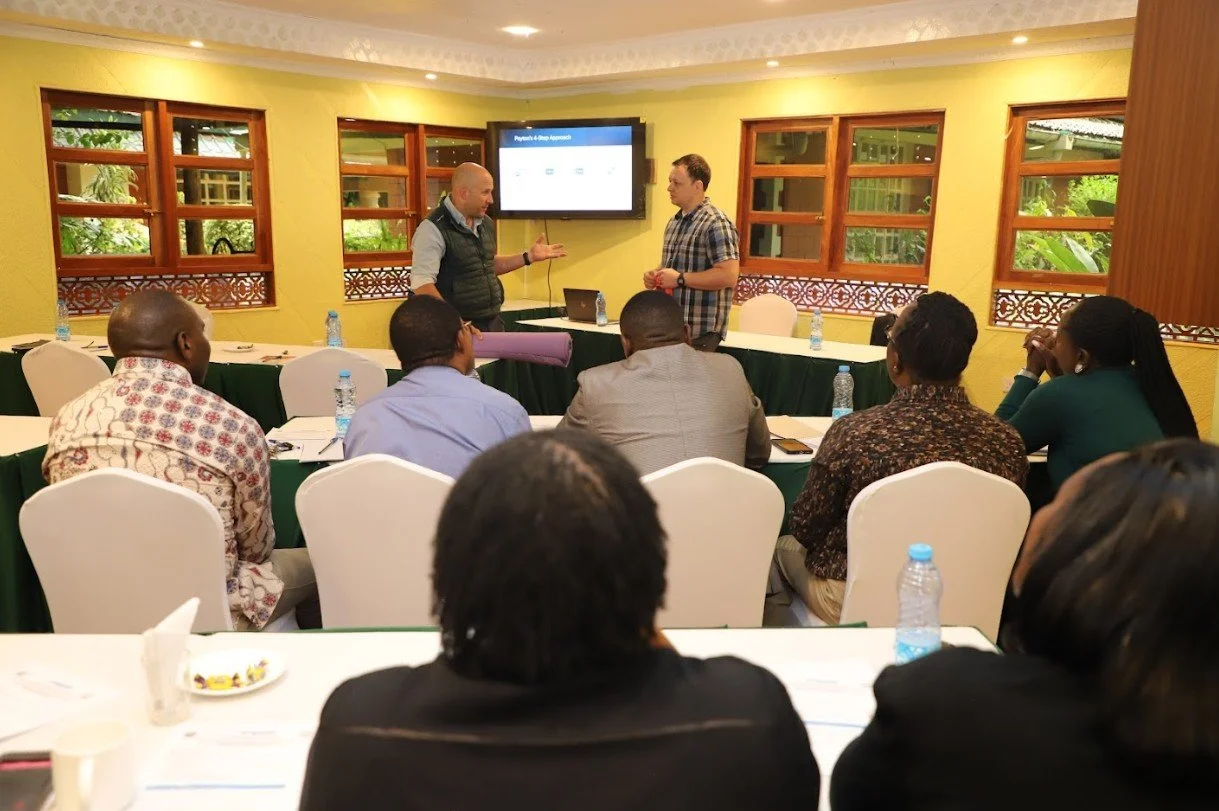
Faculty leaders from medicine, nursing, dentistry and public health gathered in April to focus on the art of teaching the next generation of healthcare professionals.
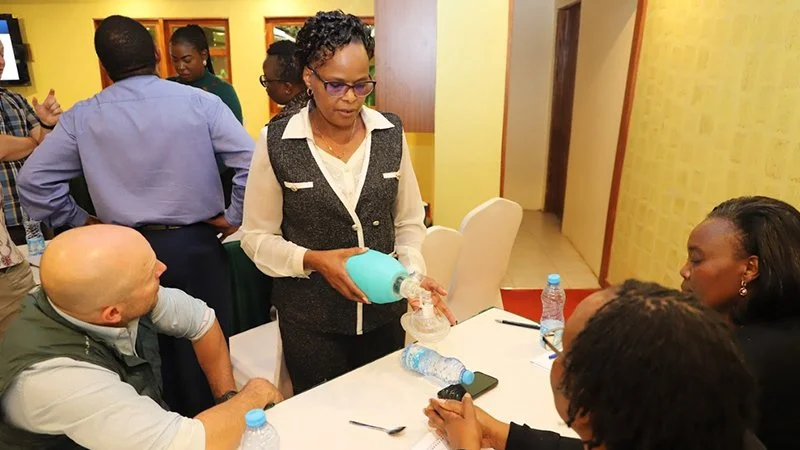
The day-long retreat marked a milestone for the new Faculty Advancement in Clinical Education and Teaching (FACET) program, an AMPATH Kenya-funded initiative designed to strengthen clinical teaching skills and support the culture of educational excellence at Moi University and Moi Teaching and Referral Hospital (MTRH).
The FACET program was launched earlier this year to address a growing need identified by faculty at Moi University College of Health Sciences and MTRH for structured, evidence-based faculty development in clinical education. The program adapts Stanford University’s internationally recognized Mastering Medical Teaching curriculum to the Kenyan context, blending online learning, peer mentorship, simulation training and interactive workshops.
Led by Professor Pius Musau and Dr. Jason Axt, FACET aims to strengthen bedside, procedural and clinical teaching skills while building a community of educational leaders across Kenya’s health professions.
The inaugural cohort includes 20 faculty “education champions” nominated by departmental and school leadership from Moi University and MTRH. Participants represent a broad cross-section of healthcare disciplines, including medicine, nursing, dentistry and public health, reflecting the program’s commitment to interdisciplinary collaboration.
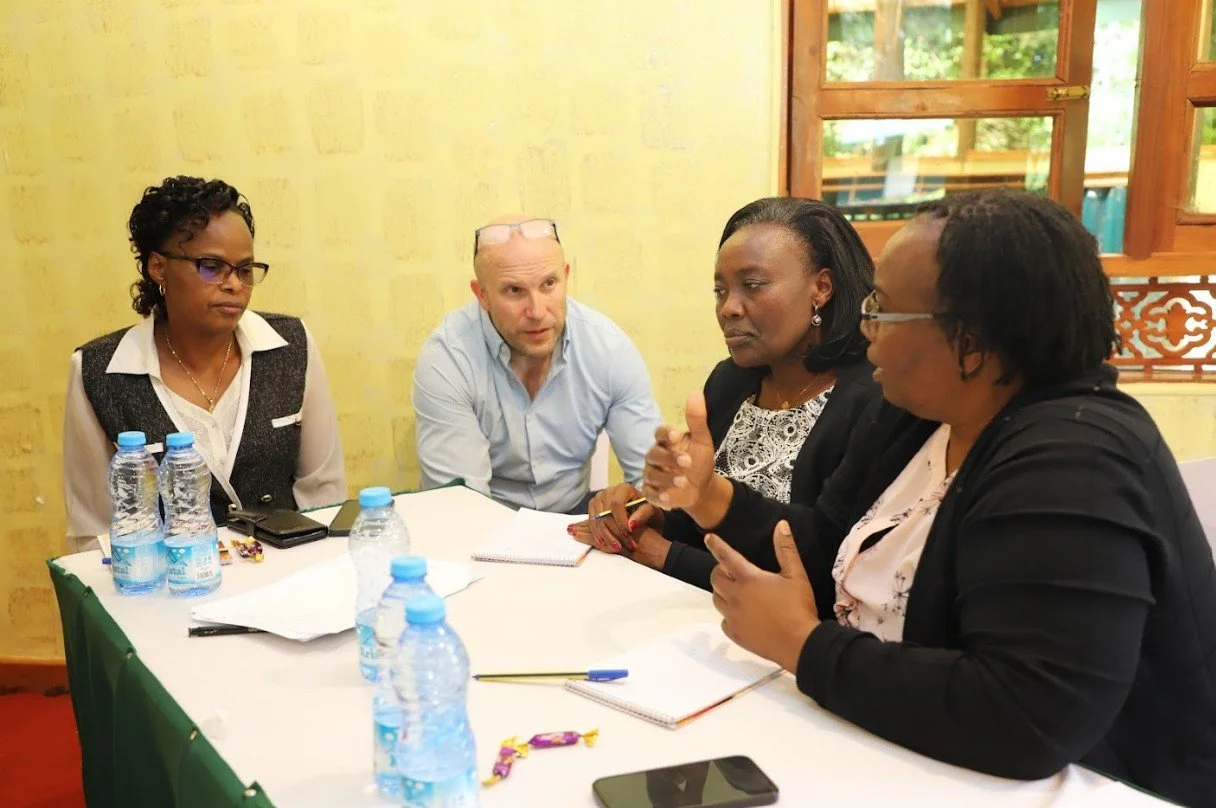
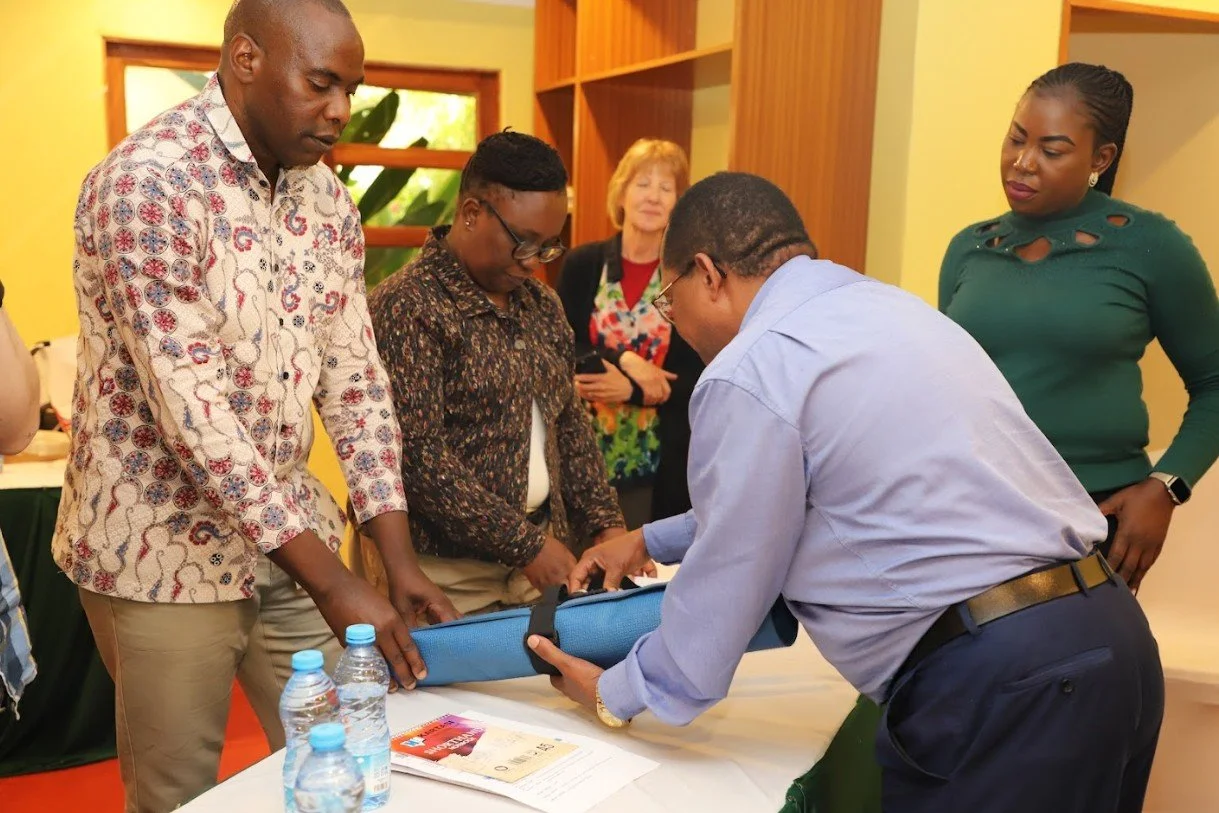
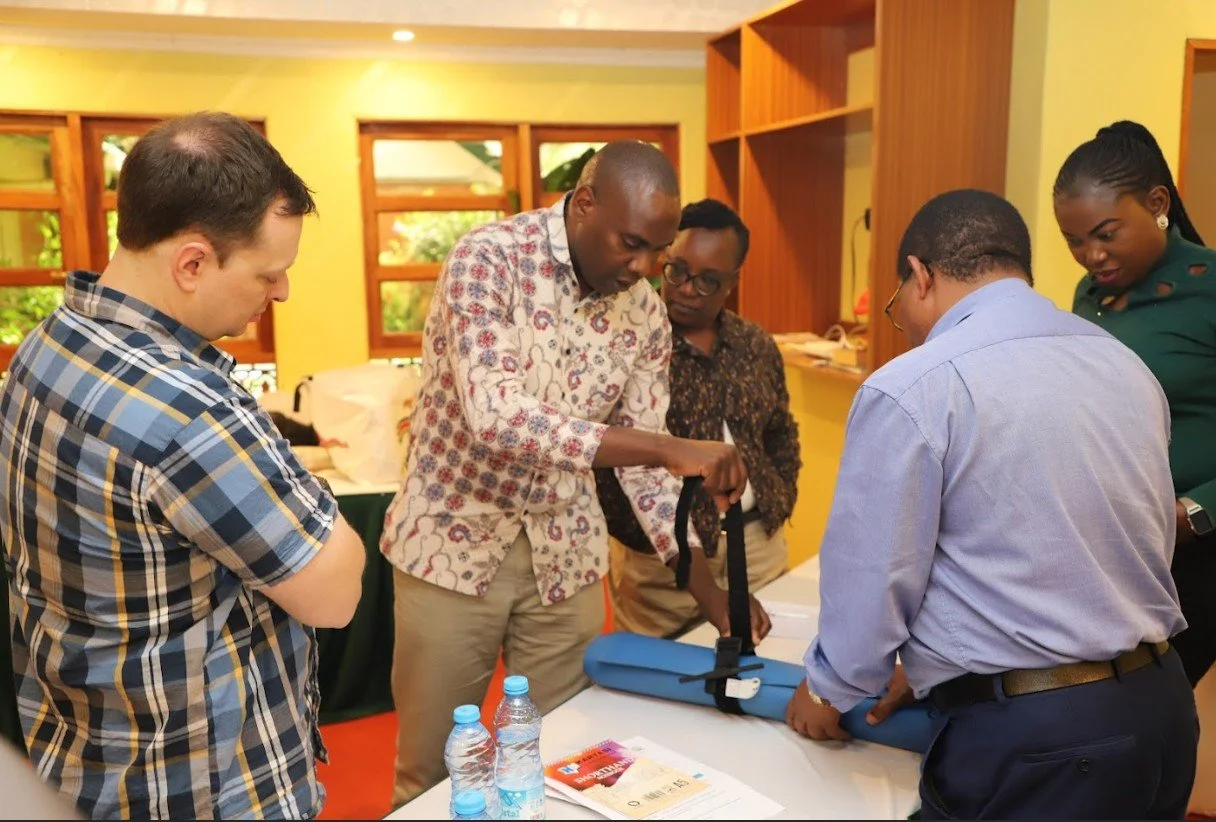
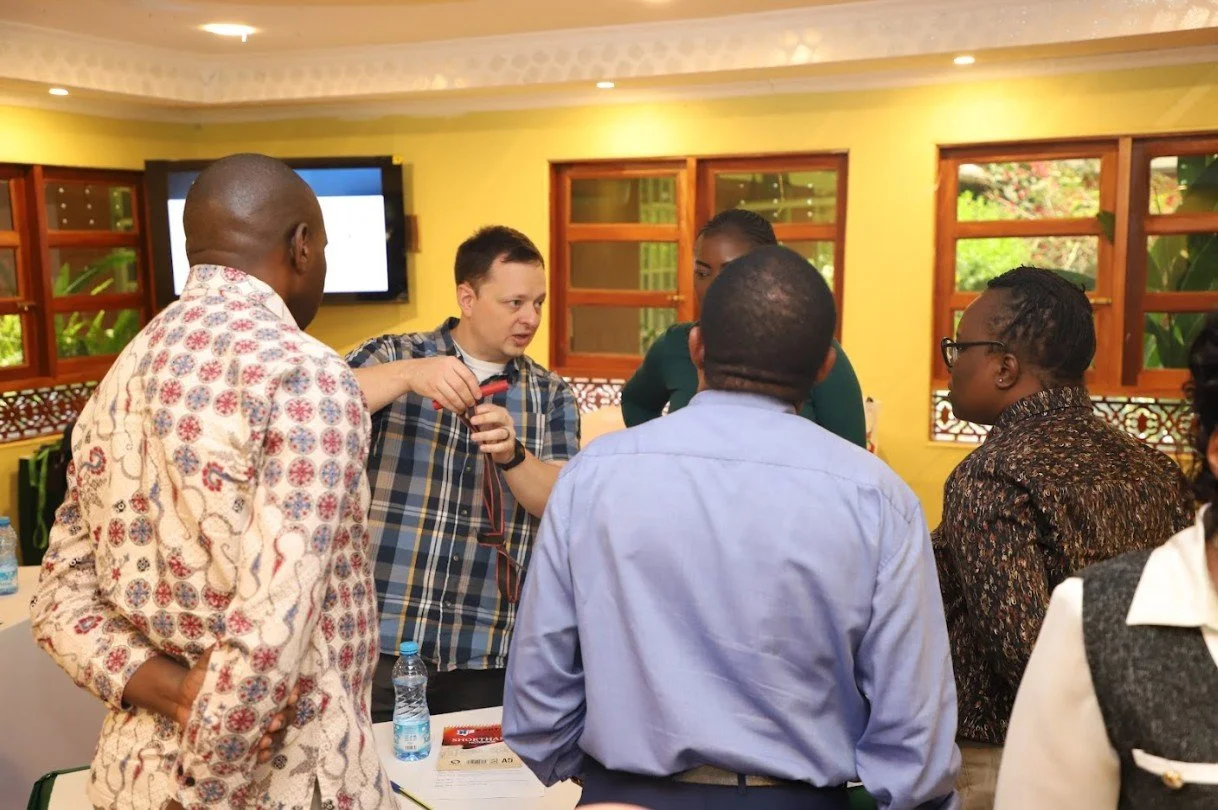
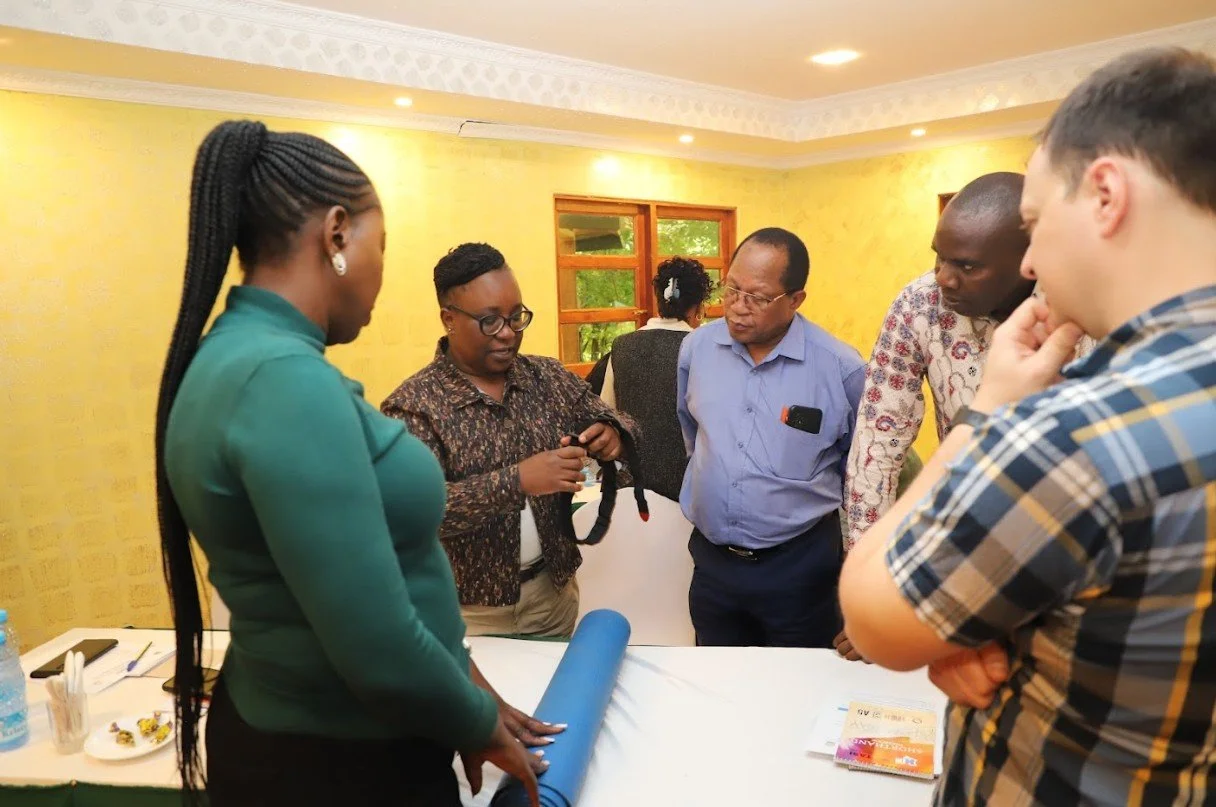
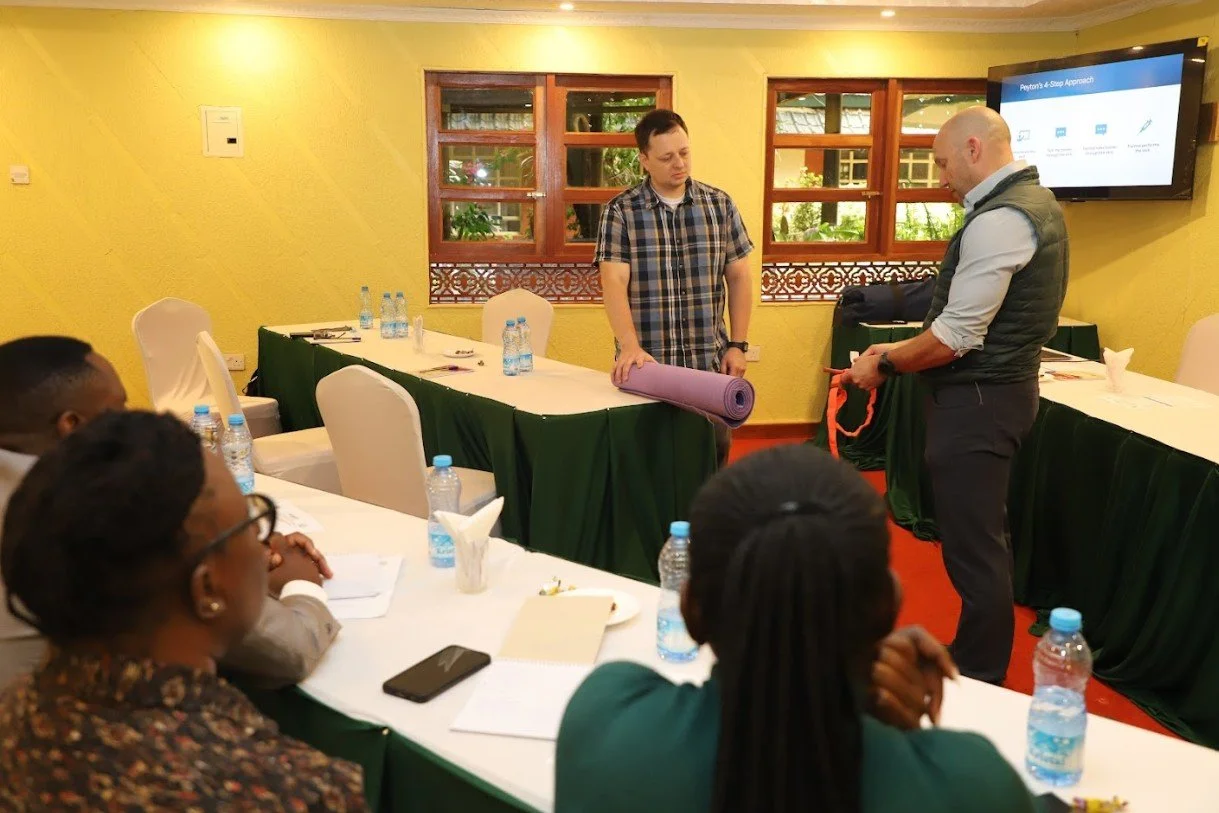
The April retreat served as the midpoint session for the six-part FACET curriculum. Faculty participants engaged in large-group discussions, breakout workshops and hands-on simulation exercises focused on procedural education and learner feedback.
Throughout the day, faculty rotated through simulation-based teaching exercises, taking turns as instructors, learners and observers. The sessions emphasized evidence-based strategies for procedural instruction, communication and assessment.
“Clinical teaching is one of the most important responsibilities we have as healthcare professionals,” said Prof. Musau. “FACET is helping us build a community of educators who are intentional about teaching and committed to improving how we train future clinicians across disciplines.”
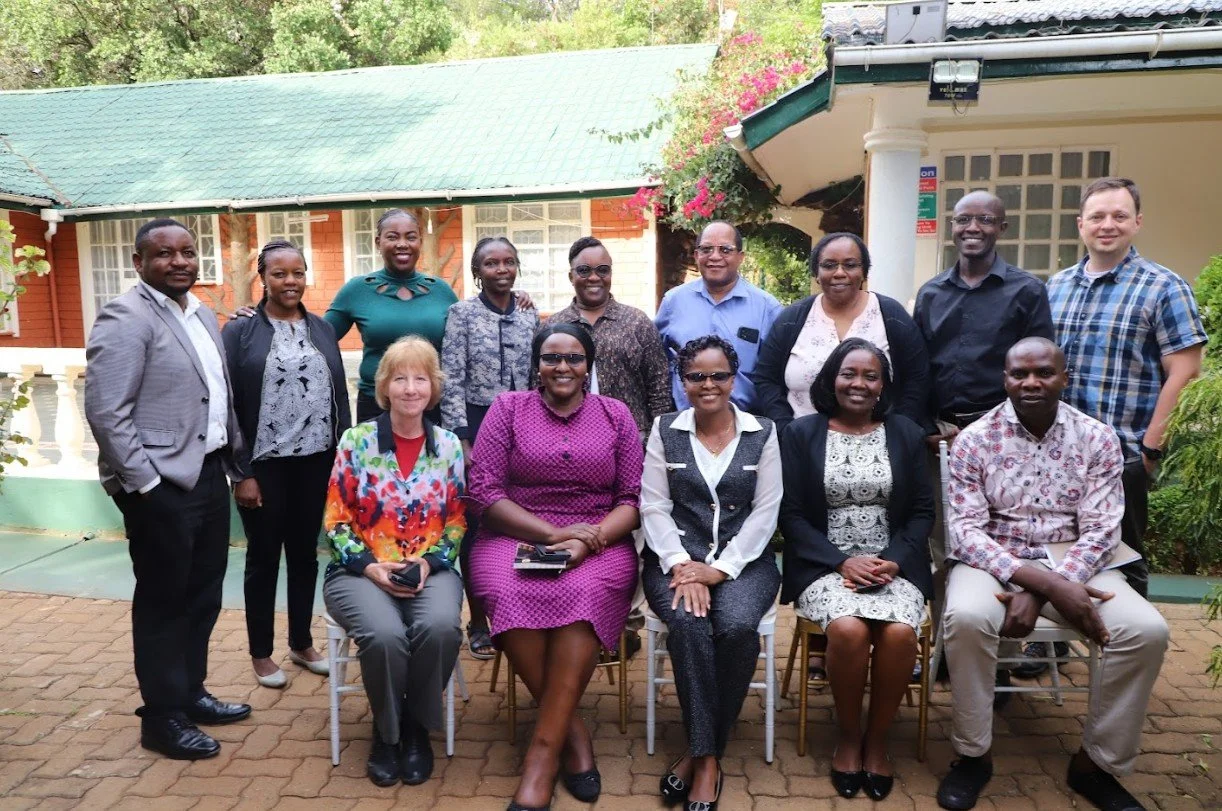
“Our vision is that these faculty champions will mentor others within their departments and help create a sustainable culture of excellence in clinical education,” said Dr. Axt. “The impact will extend far beyond this initial cohort.”
The retreat also highlighted strong institutional support for the initiative. Four deans from Moi University’s health sciences schools attended portions of the program to encourage participants and reinforce the importance of educational leadership. Among them was Dr. Priscah Mosol, dean of the School of Nursing and Midwifery, who also participates in the inaugural FACET cohort.
“The collaborative spirit of this program is what makes it so powerful,” said Dr. Mosol. “Bringing together educators from different schools and professions allows us to learn from one another and strengthen healthcare education as a whole.”
Dean Patrick Kerre of the School of Public Health emphasized the value of interprofessional collaboration in addressing healthcare challenges and improving training for future providers. Dean Julia Songok, dean of the School of Medicine, encouraged participants to translate lessons from the retreat into meaningful changes within their departments and classrooms.
“This retreat created space for faculty to reflect on how we teach, how we give feedback, and how we support learners in clinical environments,” said Dr. Kyle Carpenter, who helped facilitate the session alongside the FACET leadership team. “Participants openly shared both successes and frustrations from their experiences as learners and educators, which made the discussions especially meaningful and practical.”
The FACET curriculum was specifically designed to align with Moi University’s longstanding educational model, which emphasizes student-centered, problem-based and community-oriented learning. Program leaders hope the initiative will help faculty adapt to Kenya’s broader transition toward competency-based education while also fostering mentorship and educational scholarship.
An AMPATH Kenya grant provides funding for the first two FACET cohorts, with organizers planning to expand future participation to include trainees and additional faculty leaders. Long-term goals include developing faculty teaching awards, supporting educational research projects and eventually disseminating the model to other institutions across Kenya and the AMPATH network.