OUr work > CARE> POCUS
AMPATH’s POCUS Centre of Excellence
Improving Health Through Point-of-care Ultrasound
Mission
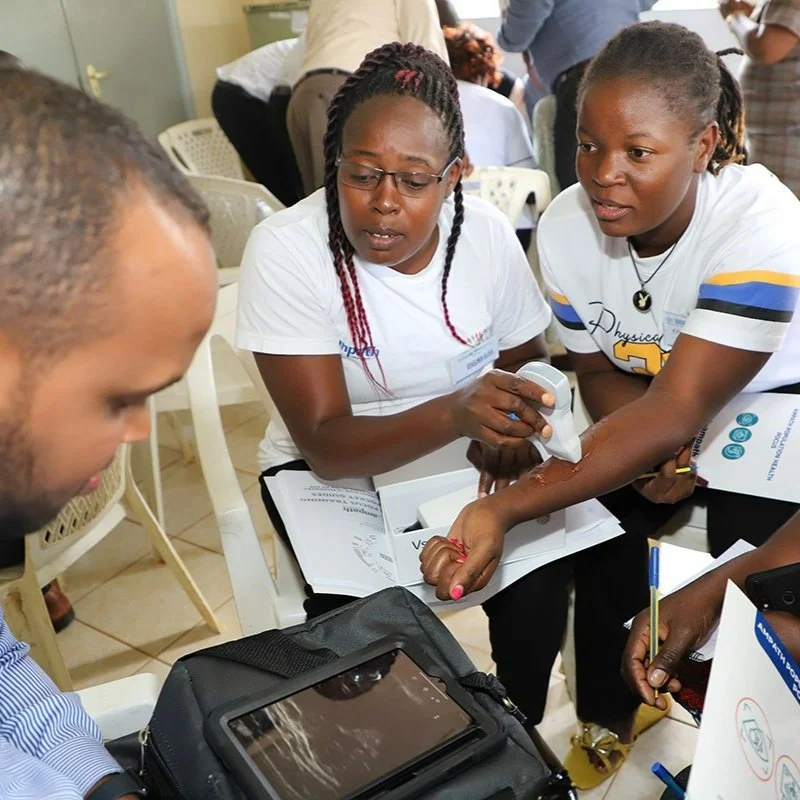
A 4-year grant to Moi University and AMPATH Kenya is enhancing AMPATH’s patient-centered primary care by working with local leadership in six counties in western Kenya through training on and use of portable point-of-care ultrasound (POCUS). Support for this initiative is being provided through Panorama Global, a U.S. charitable foundation, with funding from Gates Foundation, Novartis, Eli Lilly and Company, and MSD through its MSD for Mothers initiative.
“A patient came in with known
hypertension, generalized body
swelling, difficulty in breathing,
and oxygen saturation below 80.
We performed cardiac POCUS at
the bedside and found a large
pericardial effusion. This helped
us understand the cause of the
breathing difficulty and we
referred for specialized care. The
patient was treated in the cardiac
unit and is now doing well at
home.”
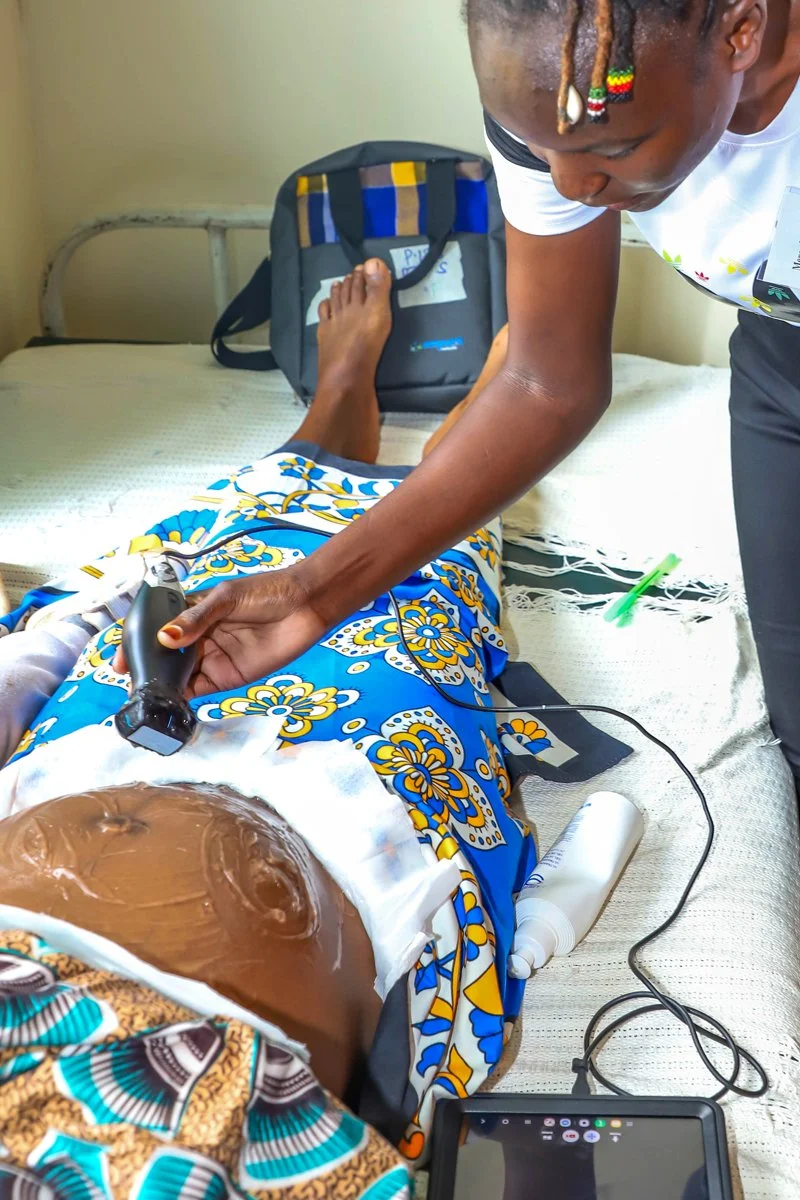
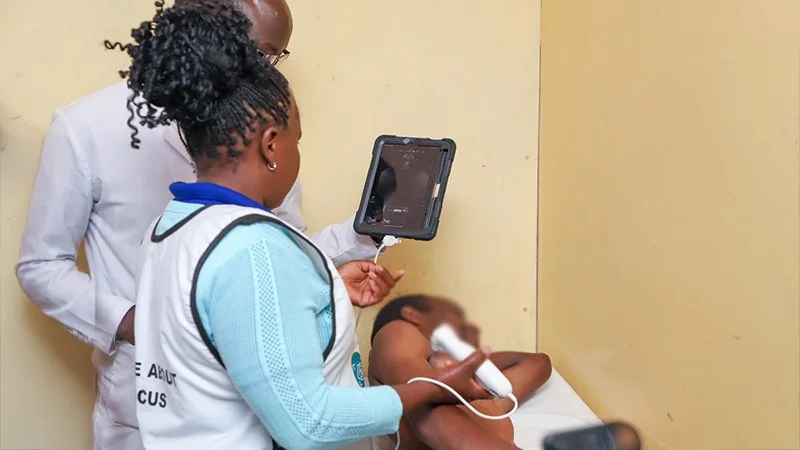
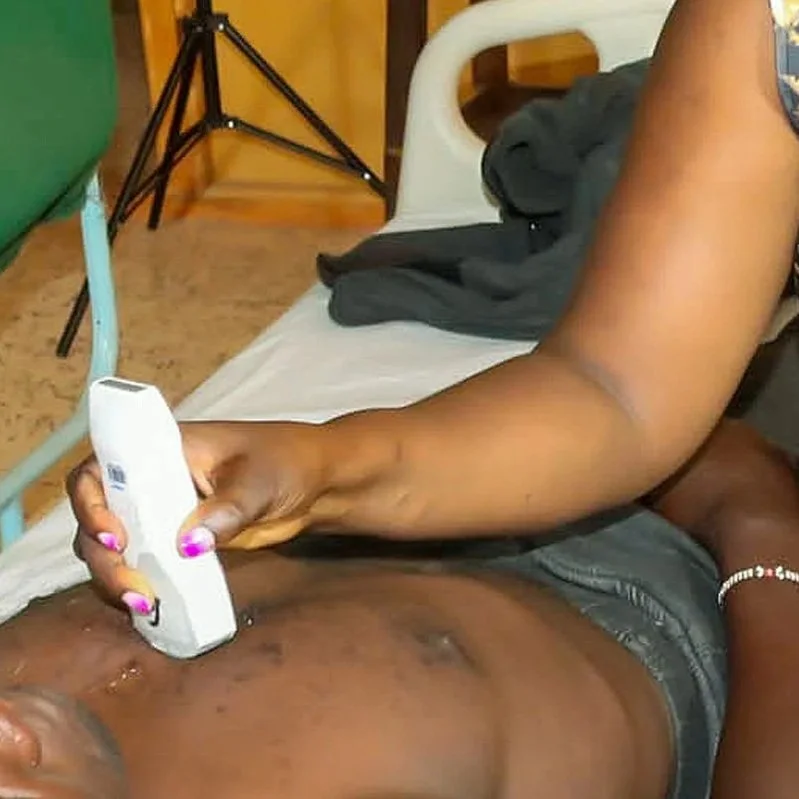
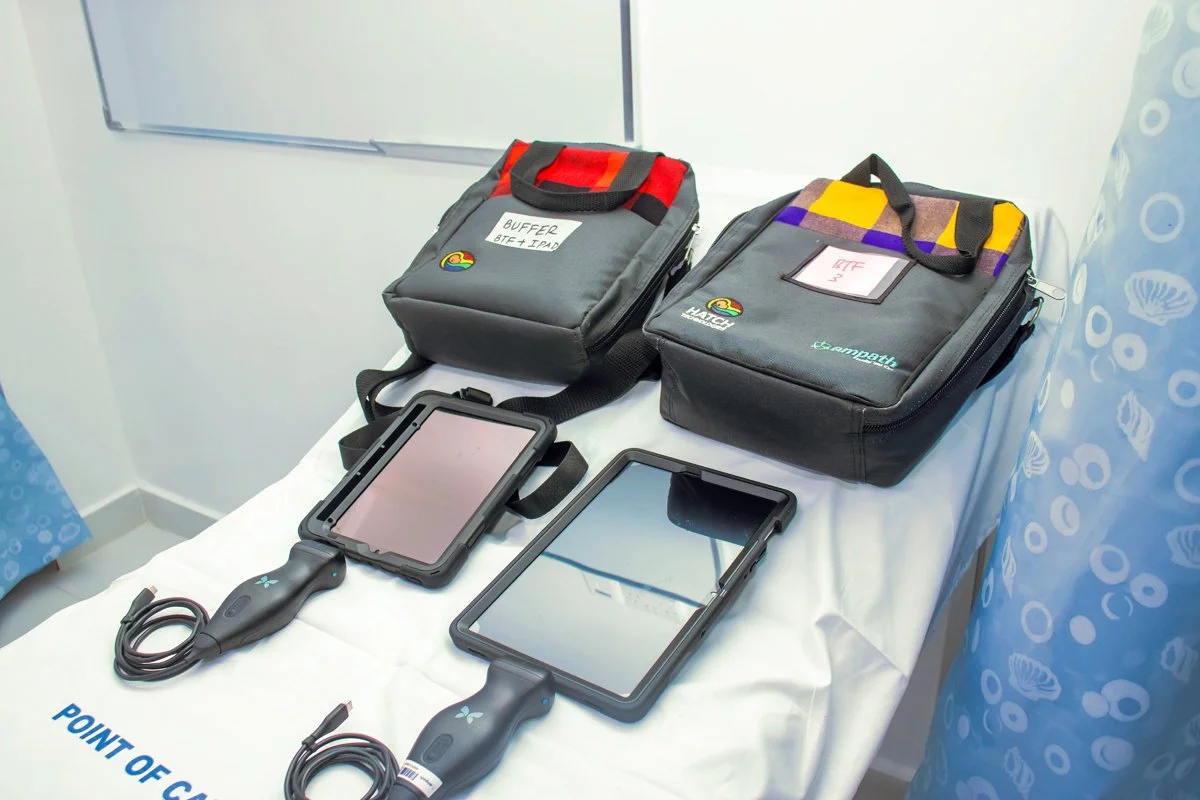
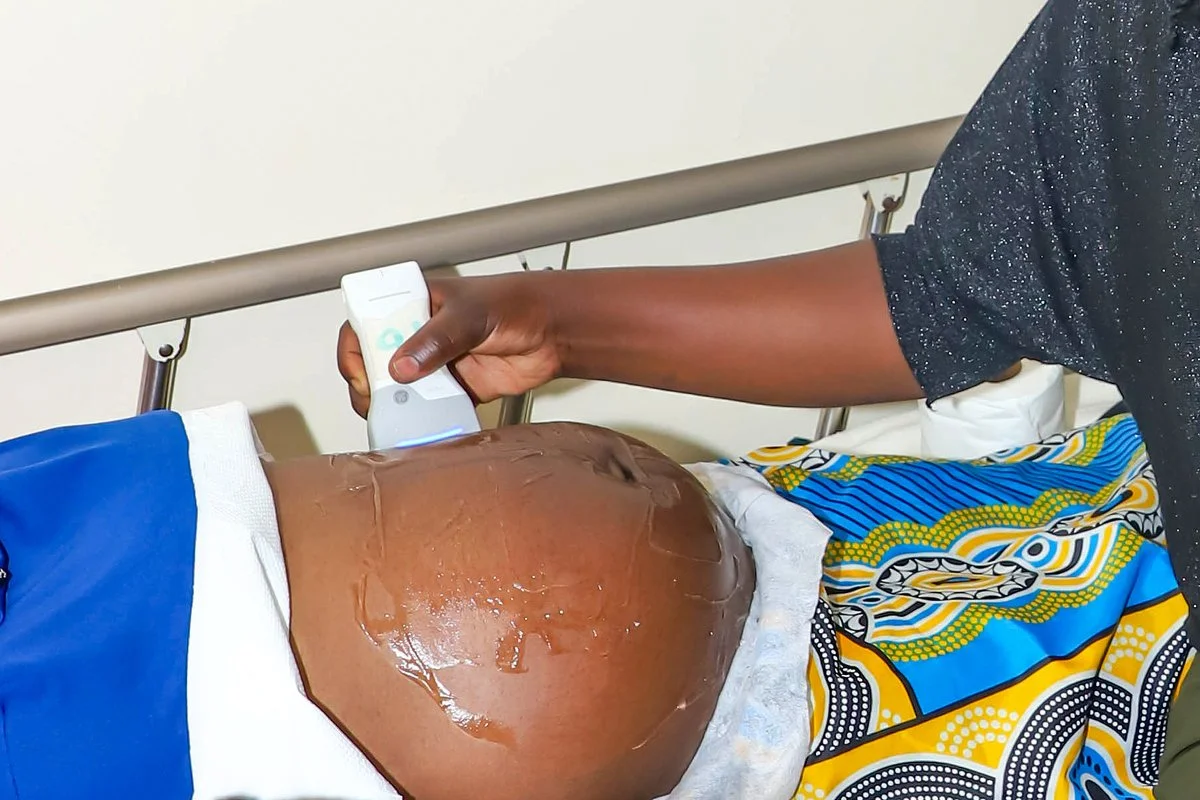
POCUS is a tool healthcare workers and clinicians use to take quick, real-time images inside the body, often right at a patient's bedside. It helps the healthcare worker answer specific questions, such as whether the heart is pumping properly or if a baby is positioned correctly in the womb. This technology is used alongside the physical exam to give healthcare workers more immediate information to guide treatment decisions.
Background
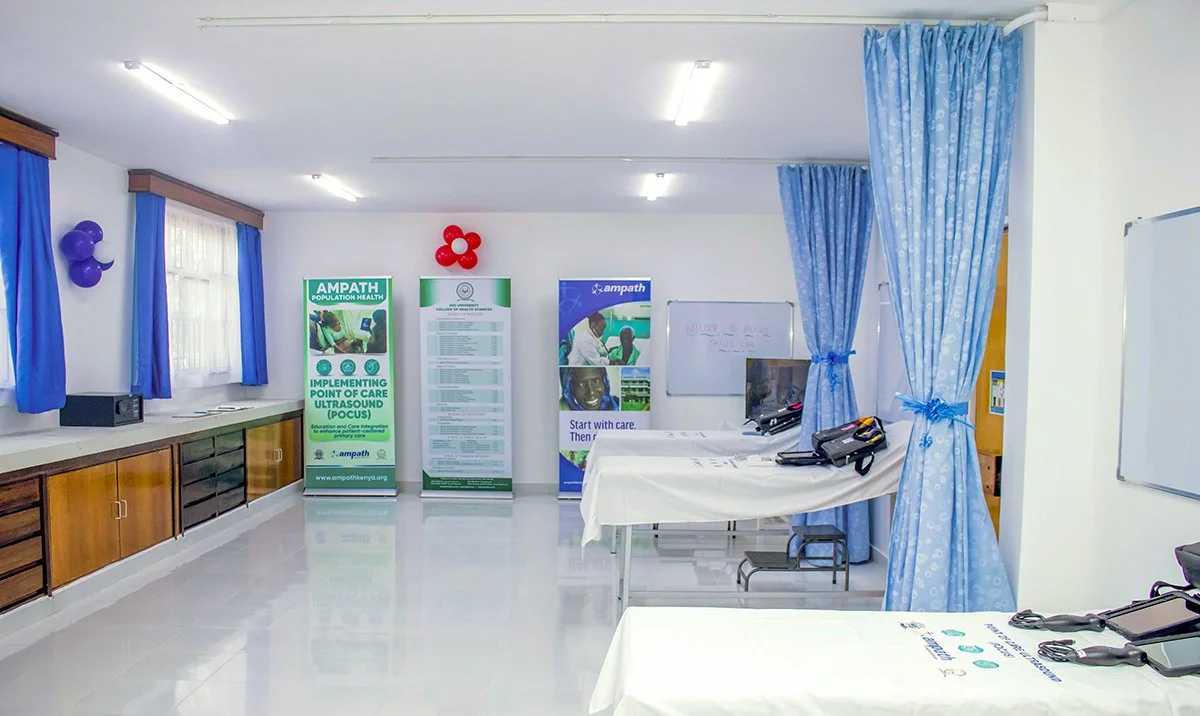
The project launched on January 13, 2025, at Webuye County Hospital in Bungoma County, training 24 healthcare workers and establishing the first of six POCUS Innovation Centers. Built on the MOH Primary Care Network, the program transforms hub facilities into innovation centers and trains POCUS champions to support scale-up and improve access to diagnostic services.
Diagnostic imaging is not readily available in resource-limited settings in low- and middle-income countries like Kenya, particularly in rural areas like western Kenya. Instead, healthcare workers must rely on their physical exam skills and the patient’s history to make diagnoses. This is not always sufficient in detecting more complex conditions during pregnancy, heart failure and breast cancer, where early detection can drastically improve outcomes. In areas where access to advanced medical facilities is limited, POCUS helps healthcare workers quickly assess conditions–which can lead to faster treatment, reduce the need for patients to travel long distances to hospitals and even save lives by identifying critical issues early–all with a portable, handheld device. While POCUS does not replace formal diagnostic imaging, it helps healthcare workers identify patients who require further imaging and specialized care.